Category Archives: Uncategorized

Wild Garlic Flower and Tomato Salad

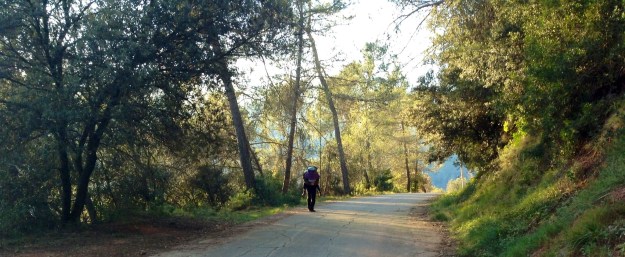
I’m determined to make this post a short one; I’ve not got much time because I’ve been squandering it of late. I took a day away from my desk yesterday to go for a walk in the woods. I so rarely allow myself to take time out on a weekday, it’s that ridiculous Protestant work ethic we had drummed into us as children.

Well, it was glorious and now I’m determined to get out more often (I really do need a dog and then perhaps I wouldn’t feel so guilty or self indulgent).  I know that “the simple things…..” message is an old one but I often need reminding myself, so perhaps you do too?

DSC02828

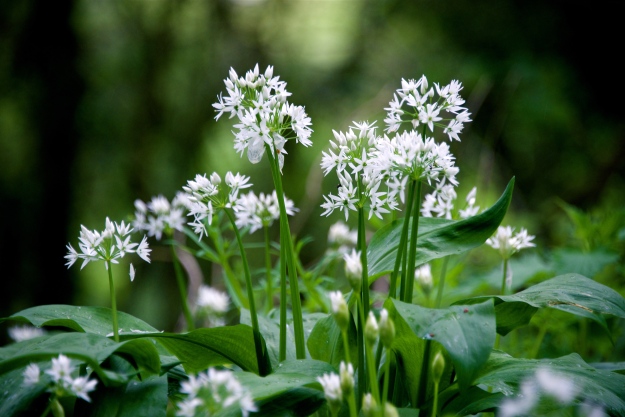
Prior’s Wood is just 15 minutes drive from my home in Bristol and at this time of year it’s renowned for the carpets of bluebells. The bluebells were heavenly yesterday yet I can’t help feeling that the haze of lacy, white wild garlic flowers deserve a shout too. Just like the rest of their allium cousins the flowers are arranged in glorious little star-bursty spheres and look so delicate above the lush green leaves.

The flowers aren’t just pretty , they taste fabulous too – you don’t need many to garnish a salad or a cheese plate so I’m not recommending that you set off with your empty knapsack and pick flower heads for the five thousand. Just a dozen flower heads will be plenty to serve at least four people. Have a taste, each tiny flower has a little bubble of garlicky juices that burst into your mouth as you bite.

_DSC5881

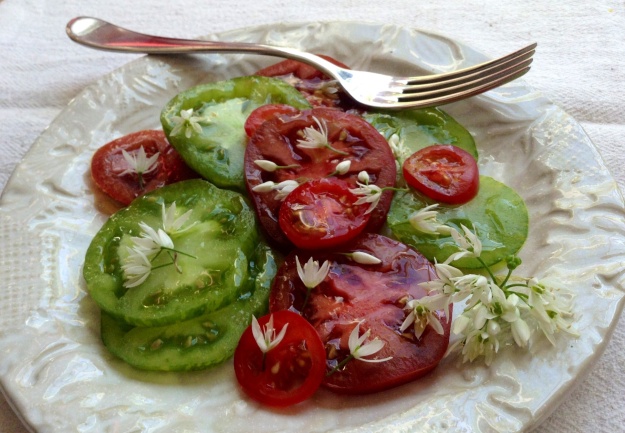
Wild garlic leaves are tasty too but by the time the plants are flowering they’ve often become a little bitter. So now’s the perfect season for sprinkling teeny flowers over the first of the English tomatoes, which is exactly what I did for my lunch.

image

I could have added some young cheese too but those green tomatoes were spectacularly good and I wanted to savour them. So, a dash of extra virgin Arbequina olive oil and a few grains of coarse salt was all I added before garnishing with the flowers.

As I said, the simple things…..

My Chickpea Love Affair and Perfect Hummus

Not all chickpeas are created equal

Chickpeas are perhaps my number one base ingredient, although they’re not often the star player in my favourite curries, salads and soups they add an earthy, nutty creaminess that I just can’t get enough of. There’s also the fantastic chickpea flour or “gram” flour that I use for making farinata and the odd bhaji – it’s ludicrously cheap, easy to use and great for all the gluten-free clan. Then a couple of weeks ago I came across frozen green chickpeas in one of  my favourite shops,  Sweetmart in Bristol.

I turned my “fresh” chickpeas into simple lunch with potatoes, spices and plenty of fresh coriander. I do admit that I got a bit taken in by the lush green peas on the packet- they were more khaki in reality and didn’t look that appetising, also the texture was a bit more mealy than I was expecting. All in all,  I have to be honest, I was rather disappointed – it seems to me that the chickpea, like so many things in life, benefits from a bit of ageing.

So, back to the dried chickpea (and it becomes more and more apparent that you really do get what you pay for – a can of supermarket chickpeas will be fine, but never sublime). The Spanish are serious legume lovers and have all sorts of different chickpea varieties on offer, whereas most of us Brit’s mistakenly think a chickpea is just a chickpea. I’d never seen a growing chickpea before spending some time in the beautiful Sierra de Francia, near Salamanca in Spain. The locals harvested their own crop and then had them drying out on mats in the street. I’ve thrown in a few gratuitous pic’s from Miranda del Castañar and the surrounding villages -it’s such a glorious part of Spain. You’re in Ibérico ham, cherry and legume land.

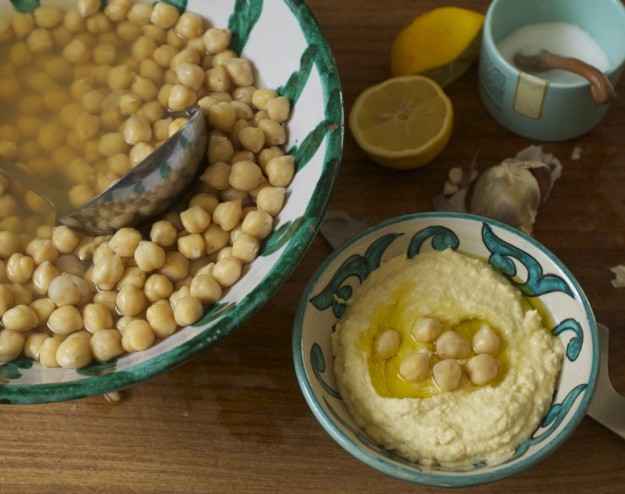
The caviar of chickpeas is , as far as I’m concerned,, the humungous blanco lechoso (the “milky white”) which has a fabulous sweet flavour and velvety texture. This is the perfect chickpea for making hummus – there must be equally delicious  Middle Eastern equivalents available out there  but I’ve yet to find them. Tinned chickpeas always seem to give a grainy textured hummus whereas these are silky smooth once puréed. My chickpeas are from a Spanish producer called Burcol and I tracked them down in the fabulous Papadeli in Bristol

I  doubt that you’ll be needing a hummus recipe but just in case here’s one from my book Pulse.

Perfect Hummus - Jenny Chandler


Hummus Bi Tahini

300 g/10 oz home- cooked chick peas or 1 x 400 g/ 14 oz tin of well rinsed chick peas
juice of 2 lemons
2 cloves of garlic, crushed
4-6 tbsp tahini paste
salt and black pepper or cayenne pepper
2 tbsp extra virgin olive oil

Place most of the chick peas (keeping a few aside for the traditional garnish) in a food processor with the lemon juice and garlic. Give the tahini a good stir and then add 4 tbsp along with 2 tbsp of water (preferably the cooking water if they are home cooked),

Blend until the mixture is really smooth and then add more water to thin it down if necessary. Season. You will need some salt, you can zip the dish up with cayenne or just use black pepper; to enrich the purée , add more tahini; or lift the purée with more lemon juice.

Serve in a wide bowl. Swirl extra virgin olive oil over the surface of the hummus. Sprinkle over the reserved chickpeas.

Try garnishing with:
Pomegranate seeds and coriander
Toasted pine kernels and long, slow-cooked caramelised onions

As always I’ve cooked up a large pot and plan to use the rest of the chickpeas in a salad tomorrow with left over roast chicken, roast pumpkin, rosemary, salad leaves and plenty of parmesan. The rest of the pot will probably be made into soup – I’ll give you the recipe v. soon, it’s sooo quick…. chicken stock from the carcass, lots of garlic, mint and chilli peppers and chickpeas of course.

AND For those of you in The West Country…. ……….It’s only a couple of weeks until the 2nd Bristol Food Connections festival – take a look at what’s on

1428593255086 On May 2nd Lou Marchionne and I will be giving a Pulse demo at the Better Food Company  as part of the Bristol Food Connections Festival. It’s all about how to enjoy plenty of legumes in your diet, the health benefits and the tasty factor too. It’s a freebie – do come along – you can book tickets here

I’ll also be joining a panel of illustrious writers, earlier in the day at
The Business of Pleasure – Stem Rooms, At-Bristol, Anchor Road, Harbourside, Bristol
12.30 – 1.30: How to be a food writer/blogger: making your way in these parlous days of publishing, and how to diversify to best use your skills. With Xanthe Clay, Fiona Beckett, Claire Thomson, Sarah Lavelle, Jenny Chandler and Martin Booth. You can book here 


Big bottoms, kale smoothies and candy floss.

I’m going off piste today: no recipe, no, not one – just a quick flurry of thoughts…. don’t worry it won’t take me long, I just wondered if anyone else felt the same way?

So first, big bottoms……not just big, but truly humongous bottoms. It seems like yesterday (it turns out to be 20 years ago) that Arabella Weir got us all going with her Fast Show catch phrase “Does my bum look big in this?” . But I can’t help wondering whether this is still a concern for the under 30’s ? How does a young dude reply nowadays? Beyoncé’s bottom launched a million dollar business in magic pants with silicone buttock enhancers a few years ago – I’ve yet to invest. And then there’s Kim Kardashian? I switched on the TV the other night and there she was on the Brit Awards all trussed up in a Julien MacDonald one piece. There’s no denying it, she’s a highly groomed and stunning looking lady BUT the size of that derrière? I’m still in a state of shock, her 27 million Instagram followers are obviously not, it’s (quite literally) her biggest asset.

At the other end of the spectrum we have the beautifully wholesome and sylphlike Ella Woodward whose cook book Deliciously Ella (named after her highly successful blog) has topped every bestseller list. Ella shares the gluten-free, sugar-free, dairy-free recipes that have turned her own life around, she has an incredible story. BUT, though I feel awful saying it,  I can’t help hoping that Imi doesn’t turn into a health nut….well not until she’s left home in any case (she is only 8 so we’ve a while to wait). I just couldn’t  embrace a world of Matcha, kale and banana smoothies, or spiralised courgettini instead of my al dente pasta. And all those judgemental looks you’d get as you tucked into your plate of crispy pork belly or a slice of cheesecake. What about when you want to go to your favourite restaurant? Have a gelato on holiday? Hang out for a coffee with your friends? Oh please don’t let’s create an entire generation of food police.

Well, to be honest, there’s no chance of that happening! During half term I was persuaded , under huge duress, to enjoy the waves and tube slides of the Swindon Leisure Centre swimming pool. Lesson 1 – never ask a child what they’d really like to do for a special treat. After our one hour time slot in the pool (that was a relief at least) surrounded by posters hailing the health benefits of exercising and swimming we headed for the café. Lesson 2 – never go anywhere near the café; the waft of tired, hot fat hit you before you even got to the counter, there was the token “healthy’ jacket potato on the menu but that was about it. The most depressing sight though, was the wall of vending machines: fizzy drinks, crisps, chocolate bars, popcorn machines and the first un-manned candy floss machine that I’ve ever seen. Whaaaaaat? So you supposedly burn off all that fat in the water ready to pile triple the amount back on before you’ve even reached the car park.. ..depressing.

I’m not sure where I’m going with this ….just wondering what my 8 year old Imi makes of it all; we seem to live with such extremes nowadays. I’m just all the more determined to get her cooking for herself, enjoying food that just happens to be mostly healthy, most of the time. I’m praying that she will be happy in her own skin, without a need for padded pants or a constant stream of selfies.

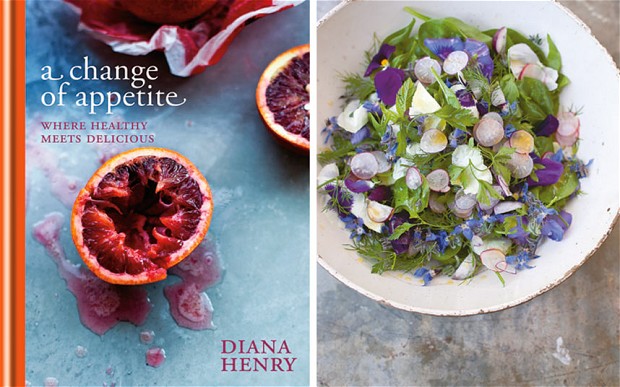
If you are looking for a fabulous book that takes the “accidentally healthy” approach to cooking then Diana Henry’s A Change of Appetite is absolutely inspirational.diana_2842935b


In Praise of Batty Bristol and Beetroot Chocolate Muffins

Bristol’s a fabulous place to live, I never feel trapped like I do in so many other cities; virtually every where you look there is a glimpse of countryside beyond the buildings. You’re a stone’s throw from wild Wales, Devon and Cornwall and yet you can be in London in under two hours. Better still is the fact that Bristol itself has such a dynamic heart – there’s the great food scene that seems to lack the ponce and showmanship of most big cities, there’s the earthy vibe that has earned Bristol the title of  European Green Capital 2015 and then there are the offbeat, quirky community events that just seem to flourish here.

On Saturday evening we set off on a “magical walking trail to light up winter” in Bishopston  (that’s just North of the city centre to any non-Bristolians). I’d chatted to a “balloon artist” in the sauna at The Lido earlier in the day (it’s where all the best conversations seem to take place) who was on her way to dress a shop window for the event. Shops and, better still,  households were lighting up their window displays between 5 and 8pm. There were over 150 random exhibits at Winter Wanderland– we saw about 40 of them, including meticulously crafted mini cinemas, a shadow puppet show, The Queen and Obama enjoying angel food cake and gin in the back of a camper van, a “live show” – dog lying on a sofa, lego displays, a pompom solar system – the sheer diversity was incredible. We snapped a couple of shots but you’d do so much better taking a peek here here.

Today I took the long way round to my local greengrocer Reg the Veg, walking along the glorious Georgian sweep of Royal York Crescent soaking up the sunshine. What a city! (Clifton pic’s coming soon) I was going to buy some fruit for the muffins that I’d promised to make with Imi after school but settled on some beetroot instead.

I’ve been meaning to play around with that great chocolate/ beetroot partnership in a muffin recipe for ages. I’m well chuffed with the results – still a hint of beetroot flavour, but hopefully not enough to scare off the kids, and some chunks of luxurious chocolate.

Beetroot Chocolate Muffins  – 12

200 g light muscovado, or soft brown sugar
100 g melted butter (use oil if you prefer)
2 medium eggs
100 g  (4 tbs) natural yoghurt
200 g  self-raising flour
4 tbsp cocoa powder
170 g beetroot
100 g dark chocolate

Pre heat the oven to 170 C,  Gas 3 and grease a 12 medium -sized muffin tray or line with papers.

Take a big bowl and mix together the sugar, butter, eggs and yoghurt.

Weigh out the flour and cocoa powder into another bowl.

Grate the beetroot on a coarse grater otherwise the mixture can become a bit too wet and sloppy (you could do this in the food processor but that’s a lot of pink washing up).

Chop the chocolate up roughly or use drops (I find it virtually impossible to get small domestic quantities of decent quality chocolate in the cooking drops)

Throw the flour mix, beetroot and chocolate in with the wet ingredients and stir it all together. Don’t be too zealous, it really doesn’t matter if there are a few lumps and too much stirring leads to solid, chewy muffins.

Spoon the mixture into the greased/lined muffin tins and bake for 25-30 minutes until well risen and baked through when tested with skewer (no gloop on the skewer – you’re done)

Leave to cool on a wire rack and eat as soon as possible.


Calçots, Romesco and a great start to the New Year

Every year we try to get out to Barcelona to celebrate New Year and the arrival of the Kings on January 6th… it elongates the festive season beautifully and gives us a chance to catch up with my “Barcelona Babies” (I au-paired there a shocking 30 years ago) and their wonderful family. We always  head for the hills too, to spend a few days with our friends Mercè and Jaume at their fabulous old country home El Folló in the Montseny.

Jenny Chandler calcots

I met Mercè years ago when I was researching my first book, The Food of Northern Spain, and was recommended to stay at El Folló and sample some of her fabulous cooking. We had so much in common: a love of travel, of good, honest food without the fiddley-faff and we both really enjoyed teaching. Fifteen years later and we’re very much in touch; Mercè has contributed a recipe to each of my books, brought a group of her students to Bristol and comes over on an English food quest whenever she can, whilst I’ve taken part in the El Folló bread festival, taught in Mercè’s cookery school and still try to visit every year. Above all we’re great friends and both Peter and Imi love to visit just as much as I do.

We sometimes hunt for mushrooms in the mountainous woodland  behind the house but this year a cold snap meant that there were very few to be found, so we popped down to the Saturday market in a local town, La Garriga, instead. All the usual Spanish market suspects were there (sorry for the rather random photographs, I wasn’t really in tourist mode) – the knife grinder, the stalls of slippers, pyjamas and fancy housecoats, the compulsory selection of extraordinary reinforced corsets, the rotisserie chickens and then all the other fabulous food stuff of course.

There were piles of curly endive, the salad leaf of choice at this time of year AND, more importantly, there were calçots. These look like a cross between a spring onion and a leek, but are in fact twice- planted green onions. Calçots have soil pushed up around them as they grow, cutting out the light and encouraging the long, pale and sweet stems. There was no way that we could resist the first of the season.

We rushed back home, cleaned off the worst of the dirt, trimmed the ragged tops and then lined the calçots up in the grill racks ready to go on the fire. Over the winter there’s always a fire alight in the hearth where bread, peppers and aubergines are toasted and roasted. We even collected pine cones to lay by the embers to open up in the heat and release their waxy kernels. The calçots charred and cooked over the flames and then we wrapped them in newspaper to sweat and soften.

Meanwhile we made the romesco. You couldn’t possibly consider eating calçots without romesco sauce and since you’re unlikely to be finding many of these highly prized alliums outside Catalonia you’ll be pleased to hear that this sauce is equally fab’ with asparagus, tender stem broccoli, grilled spring onions, braised leeks, prawns, squid, lamb and so the list goes on.

So here goes for the deliciously nutty sauce. There are so many versions for this sauce but Mercè’s cuts out any frying and seemed wonderfully simple, quick and very, very moreish.

Romesco Sauce (about 10 servings)
5 dried Nyora peppers
1 small dried red chilli pepper
50g blanched almonds
50g hazelnuts, skins removed
3 ripe tomatoes
4 cloves of garlic, left in skins
a handful of parsley, chopped
2 tablespoons red wine vinegar
5-6 tablespoons extra virgin olive oil
salt

Set the oven to 200ºC

Rip open the dried peppers and soak in warm water for 15 minutes (if you are using nyora pepper flakes as Mercè does, or just dried sweet pimetón then you can jump this stage)

Meanwhile roast the nuts until golden and just beginning to smell wonderful, and also bake the whole tomatoes and garlic cloves for about 5 -10 minutes (you’ll probably want to take the garlic out before the tomatoes – don’t let it burn or it will taste bitter).

Drain off the peppers and remove any stalks and seeds.

Now take a food processor and make a paste of the garlic and the peppers ( or add about 1 tbsp of nyora flakes or 2 heaped tsps of pimetón). Next add the nuts, the tomatoes (skin and all) and  work to a thick paste. Whizz in the parsley at the last minute.

Work in the vinegar, extra virgin olive oil and salt to taste.

The sauce is eaten at room temperature and it’s absolutely sublime. It will keep happily for a couple of days in a jar, covered with a layer of olive oil.

AND….

Should you find some calçots? Then, once they’ve softened in the newspaper it’s time for you to get your hands dirty. You simply slide the charred outer skin off the onion whist hanging on to the green top. Dip the sweet flesh into the sauce and then dangle the calçot into your mouth and munch. It’s definitely not a top menu choice for a first date…
If you really want to investigate this very Catalan, sweet onion tradition then the last weekend in January is a great time to visit Valls (near Tarragona) for the annual calçotada.

A sprout is not just for Christmas

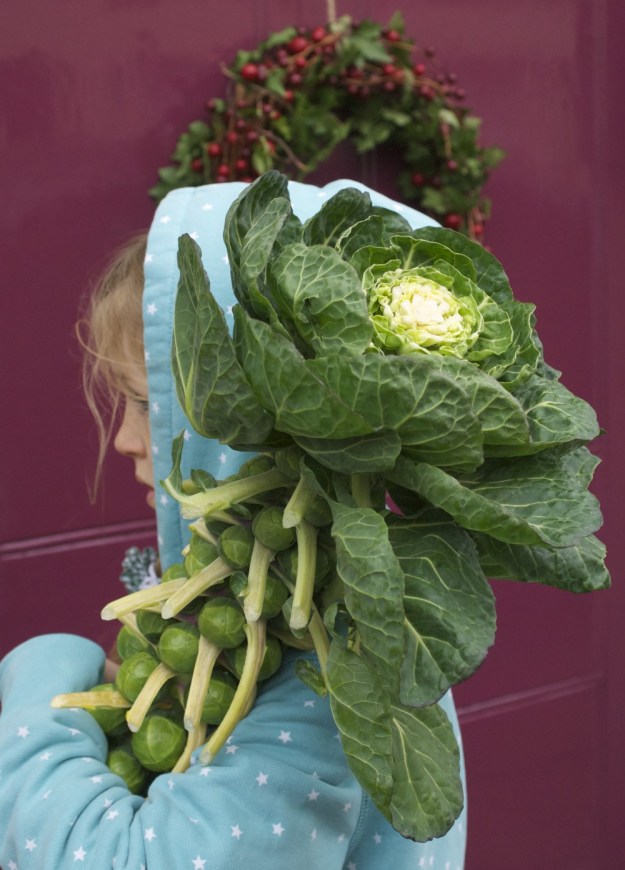
Jenny Chandler Sprouts

We bought our Christmas sprouts on the stalk yesterday, ensuring optimum freshness for our big feast tomorrow. The guinea pigs are already munching on some of the sweet leaves from the sprout top and we’ll have the rest for lunch.

I’ve adored sprouts for as long as I can remember, even as a toddler- along with Stilton cheese. I’d always felt quite proud about my developed palate; early signs of a true food lover, I thought. I recently discovered that a love of bitter, strong flavours as a child could betray the fact that I’m short on taste buds; “super-tasters” (those people with the highest concentrations of taste buds) apparently find most brassicas overpoweringly bitter. So, do I miss out on all sorts of delicate nuances as I eat every day? That may be, but at least it allows me to revel in the delicious possibilities of the Brussel sprout.

It seems tragic that most people only eat their sprouts once a year when there are so many tasty possibilities- so here are my …..

5 favourite ways with sprouts

Simply steamed until JUST cooked through and then tossed in a bit of butter before serving. If you’re using small sprouts there’s no need to cut those little crosses in the bottom; if using large sprouts I cut them in half. Any bacon you might have put over a roasting bird can be chopped or broken up and thrown in too

Roasted sprouts are a revelation. Turn your oven up really high  (200°c +). Toss whole sprouts in olive oil, salt and pepper and then roast for about 10 minutes (more if they’re large ones) or until the outer leaves are a bit charred and the centres are tender.

Stir fried sprouts with orange and chestnuts are heaven with a roast. Slice the sprouts as finely as possible. Take a wok or large frying pan and begin by frying a diced onion in olive oil until soft. Throw in a finely sliced clove of garlic and your sprouts and toss around over a high heat for 2 or 3 minutes. Now add about 1/2 tsp of orange zest and a handful of cooked chestnuts. Give everything a good stir before adding the juice of the orange and seasoning with plenty of salt and pepper.
A few lardons fried up with the onion at the beginning of the dish are fantastic here too.

Brussel sprout Bubble and Squeak is the  absolute best- using any left overs from the sprout dishes above or eve shredding some sprouts for the purpose. Make sure that having mixed them in with your potatoes you fry the mixture with plenty of oil and allow it to catch and caramelise on the bottom of your frying ban. The charred, crunchy bits are the key to a sublime dish, along with plenty of Worcestershire Sauce and a poached egg.

– My new favourite, sprout salad, discovered at a fabulous pop-up in Bristol only last week. If you happen to be a local then make sure that you head down to  Bar Buvette (great write up by Fiona Beckett) on Baldwin Street as this bar may only be around for a few weeks and you REALLY DON”T WANT TO MISS IT!
But back to my sprouts – Peter Taylor (formerly of The Riverstation and Bell’s Diner) was serving very simple cheeses, charcuterie, fab’ cheese toasties  and then this very simple (but incredibly delicious salad) when we went down to sample his wines last week. I don’t think I’d ever eaten raw sprouts before….strange when I love all sorts of variations on coleslaw.
(Peter pointed out that you could always ponce things up and go a bit Italian by calling it a Cavolini or Cavoletti salad).


Sprout, Pecorino and Hazelnut Salad 
(as starter or side dish for 4)

400 g sprouts, peeled and shredded
100 g pecorino or parmesan, grated
Juice of 1 lemon
6 tbsp extra virgin olive oil
A good handful of hazelnuts
salt and black pepper

Toss everything together and season to taste. Great eaten on its own or very delicious with a crispy jacket potato and a bit of cold ham too.

HAPPY CHRISTMAS & I do hope you enjoy your sprouts.


Apple Day Dumplings

I have to admit that Apple Day has always passed me by, but this year I was writing a small piece for Borough Market about heritage apples and the celebrations that they’re holding in the market on Sunday 26th October. There will be 1000 varieties of apple on display, many available to taste, to celebrate the market’s 1000th birthday (there are in fact over 2,300 named apple cultivars).

Suddenly I’ve become more apple-aware and got all hot under the collar (& with good reason too) looking at how many foreign imports are being sold in the supermarkets at the height of our own apple harvest. I went out on an English apple hunt and found a good variety of home-grown fruit in my local green grocers – Reg the Veg. There was an even bigger selection of lesser known apple types at Earthbound, the organic store in Cotham. It was fascinating to taste so many totally different flavours and textures, Imi and her friends joined our panel – here are our tasting results.image
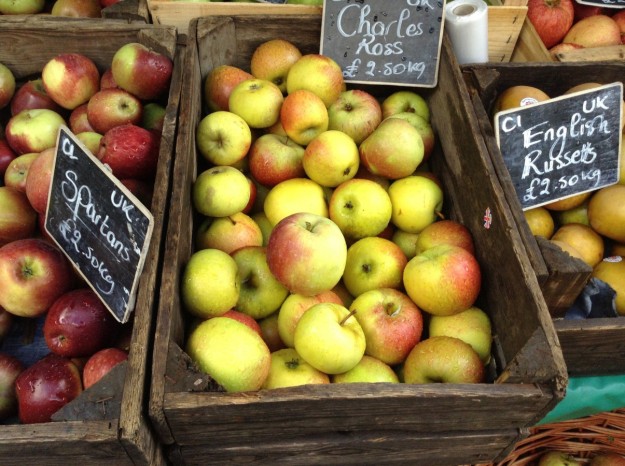
At the top of the pile we LOVED Egremont Russett (nutty), Red Windsor (very crisp and juicy), Braeburn (good sweet /sharp balance) and Charles Ross (wonderfully sweet).

In the second tier came Adam’s Pearmain (aromatic but a bit soft and granular) , Hereford Russett (not quite as sweet and nutty as its Egremont cousin) , Spartan (perhaps a little too sweet), Cox ( good taste – could have been crisper) Kidd’s Orange Red ( a wee bit too sharp for the girls but I enjoyed it) and Gala (bit sweet and bland).

Our only rejects were the tiny Pitmaston Pineapples that just seemed rather wooly and uninteresting.

So, fired up with newly found enthusiasm for heritage apples Peter, Imi and I visited the Horfield Community Organic Orchard  (HOCO) in Bristol for their Apple Day celebrations last weekend. You’d never imagine that there was an orchard and allotment plot tucked away behind the houses on King’s Drive but having found the tiny path we suddenly walked through a gateway into a little haven in the city. The volunteers at the orchard share their knowledge about fruit growing, look after  the ancient heritage varieties they discovered on the site and keep up a wonderful green space;  in short they’re a breath of fresh air in the city.

On Sunday there was a stall of fabulous home-baked cakes (all appley of course), a table of dozens of varieties to taste, apple pressing (giving the most fabulously toffeeish juice), a stand of jams, chutneys and very young trees and then some good old Morris Dancing. The sun shone, it was ridiculously warm for October and the busy Gloucester Road seemed a million miles away.
Maybe every city has a few gems like this tucked away, but I’m always amazed how many little secrets there seem to be around Bristol waiting to be discovered.

One recipe I discovered whilst doing my research for Borough was for apple dumplings. My neighbour, Sacha, says that as a child she used to beg her mother for any leftover pastry when she was baking and wrap up an apple into a dumpling. I have to confess that I’d never even heard of them.  Apple dumplings have now entered my repertoire, they’re a great way of playing around with whatever dried fruit or nuts you might have in the cupboard and just feel a bit more special than a simple baked apple. So, here’s the recipe.

Apple Dumplings (4)

4 delicious dessert or dual-purpose apples – I used Herefordshire Russets (cookers are just too soft and moist)
Juice of 1 lemon
3 tbsp of chopped dried fruit – I used figs but apricots, dates or sultanas would be delicious too.
2 tbsp brandy, calvados or rum
1 tbsp roughly chopped nuts – hazelnuts, walnuts, almonds, pistachios
3 tbsp ground almonds
1/2 tsp ground cinnamon
3 tbsp muscovado or other brown sugar
250 g puff pastry (I cheated with all – butter bought stuff)
1 egg beaten with 1 tbsp water

Pre-heat the oven to 220 °c

Peel the apples and remove the cores, leaving about 2cm flesh at the bottom. I find it easiest to remove a plug with a knife and then excavate with a melon baller (about the only time I ever use it) to give a decent size cavity for the filling. Roll the apples around in the lemon juice in a bowl to stop them browning.

Now place the dried fruit in a small pan with the alcohol and bring it up to the boil. Switch off and leave the fruit to plump up whilst you prepare the rest of the stuffing.

Mix together everything else and then tip in the fruit and alcohol.

Carefully spoon as much of the filling as possible into the apples, be generous, you can really pile it on top.

Now take a piece of foil to check what size your pastry squares need to be to enclose the apples. Roll out the pastry very thinly and cut into your 4 squares.

Place the apple in the centre of each square and pull up the corners as if you were forming a new stem. Pinch together the sides, chop off the excess pastry and use this to make a few leaves.

Brush the pastry with the beaten egg and stick on the leaves. Bake in the oven on a tray for about 20- 25 minutes, until golden brown.

Eat whilst hot with cream, clotted cream or honeyed yoghurt.

And just another thing – my rather beautiful plates that I’ve served the apples on are, in fact, made of tin. Lindy sells them at her glorious Portobello shop Ceramica Blue or if you’re in Bristol you can find them in the  Bristol Guild . I can’t wait to whip them out on my next camping trip – they range from William Morris designs to replicas of Queen Victoria’s Coronation plates.
Grape Picking in Somerset Cider Country

I always imagine that when I grow up I’ll have a garden where I nurture fruit trees and grow all my own vegetables, then I suddenly remember that I’m fifty next month (aaargh…..) and it’s a bit like wearing red lipstick or having a tidy car, it’s just never going to happen. It’s rather fortuitous for me that I have friends who’ve taken different roads in life and sometimes ring with the offer of a basket of quinces or, better still, the opportunity to help them harvest their grapes.

So last Saturday Peter and I set out on our first grape picking expedition. A few years ago you would probably have assumed that we were leaping on a plane to visit some far flung Spanish bodega, but nowadays with over 400 hundred vineyards in England and Wales you won’t be so surprised to discover that we were within 1/2 an hour of Bristol. Our friend Ingrid’s vineyard is in Wrington, North Somerset, just a stone’s throw from The Ethicurean (that fabulous restaurant/cafe/walled garden that I’m always banging on about). Most people associate The West Country with cider but, with the acreage of vineyards doubling in England over the last 10 years, you’ll find a few winemakers too.

I’d imagined a seriously back breaking morning but Ingrid and Stephen had dozens of eager friends and family lined up and, after a bit of secateur tuition ( basically cut the green bits and not the old wood), we got going. We were picking  Pinot Noir grapes, which along with some green Seyval (yes, you wine buffs probably know that they’re green – I didn’t) go into the Dunleavy Vineyards Rosé. The hot summer had been good to those vines and Ingrid seemed very chuffed with her harvest. I did feel a bit guilty though; it was as if we’d all just snapped up the form prize without doing the homework. There was a tremendous feeling of satisfaction and accomplishment filling all those crates with grapes, it seemed rather painless and fun, chatting away amongst the vines. It’s all too easy to forget that a couple of hours were the culmination of weeks and months of pruning, tidying and nurturing – it was almost as if we’d made it look too easy.

We finished up sitting around on picnic blankets with sandwiches, cake and wine; all in all a wonderfully relaxed day that will make the 2014 vintage an even more special one to drink. I can’t claim any knowledge when it comes to grape requirements for wine production but, later in the day, we received news that we’d picked around 2000 bottles’ worth of grapes with a sugar level of 85 and acidity of 8.5 – sadly this means very little to me but it made Ingrid happy so it must be good!

I meant to include a recipe in this post too – I remembered that (rather conveniently) I had a very simple one for poached peaches in my book The Real Taste of Spain. However, I rushed along to the local green grocer’s, Reg The Veg, to discover that the peach season really has come to a close. I also decided that I couldn’t bear the thought of boiling up some of Ingrid’s award winning rosé with vanilla and orange zest in any case. If, however, you do happen to have some peaches you can find my recipe on The Telegraph website here .

To hear a bit more about Ingrid,  Dunleavy Wines and the rise of English winemaking then you can catch up on this Radio 4 Food Programme episode from July.

AND, more importantly, if you’re after some of the wine (the 2013 vintage won the Local Producers award at Bristol Good  Food Awards 2014),  here’s where to get it


Camping and Crumpets

With just a few days left of the school holidays it certainly seems that the Indian Summer will be bypassing us this year. So, it’s probably a little bonkers to be coming up with a camping tip at this stage in the day but…. there are just a couple of festivals left and surely a couple of dozen hardy campers who might be up for some sound advice.Panoranic shot of The Green Man

I’m not a serious camper by any means, in fact I feel quite proud having managed to make a couple of festivals this summer, clocking up a total of seven nights under canvas (or more truthfully nylon). I’ve certainly never considered camping a refreshing holiday – you come back knackered, usually bedraggled and damp (if you live in the UK), with enough dirty washing to keep you busy for days. Cooking on a piddley-little gas flame with ingredients from a not-so-cool cooler box is not really my idea of fun either. A great festival plus is the fabulous selection of food stalls, my favourites over the 2 weekends being (without a doubt & in no particular order)  Poco,  Goan Fish Curries and the Pembrokeshire beach Shack) So, to be honest the extent of my cooking is really just breakfast.

At WOMAD, once the bread had almost run out and virtually turned to cardboard I suddenly remembered the dozen crumpets I’d snapped up just before we left. Now the best thing about crumpets is that you don’t have to be one of those desperately organised types with a gazebo and fully equipped camp kitchen. I’m amazed at the kit that some people haul to a festival: picket fences, inflatable sofas – some friends of ours took a half hundred weight of sand to use as a sand pit to entertain the small kids one year. I get hot, bothered and very, very irritable just carrying the absolute essentials, so this tip is for the basic 1-ring-burner type of camper.

The Ultimate Bacon and Tomato Camp Crumpet

Having fried your bacon in your one and only frying pan you can set that aside to keep warm whilst you throw a few handfuls of cherry tomatoes into the hot bacon fat (I never said this was going to be particularly healthy) Once the tomatoes have begun to split you can tip those into a bowl too. Now, if your pan isn’t too precious just wipe it out and oil with a smear of butter or oil and cook up the crumpets, a few at a time, until toasty (a good couple of minutes on each side). Serve at once topped with your bacon and tomatoes, AND this is particularly good with a glass of red wine if your breakfast has morphed into brunch!

The Green Man, in the Brecon Beacons presented a trickier crumpet situation. Peter was away in the Arctic and so realizing that I didn’t have a packhorse I’d really packed light (only the absolute essentials such as full fancy dress outfits for the children) and we relied on my friend Sally’s cooking gear. Sally’s tiny, high speed burner was like a rocket launcher and boiled water in a matter of seconds but cremated my first crumpet. After a couple of attempts we discovered the

Fried Nutty Butter Crumpet

Take your pan and melt a good knob of butter per crumpet – we had to cook ours one at a time due to pan size. Fry the crumpet for a couple of minutes on each side over a medium heat; the butter will smell caramelised and will have disappeared into the spongey crumpet.

Serve hot with Marmite or jam. Scrumdiddlyumptious


Thank you to the Ives family for some pic’s and the fabulous grass skirt and tutu modeling.


Spilling the beans and a Greek Fava puree

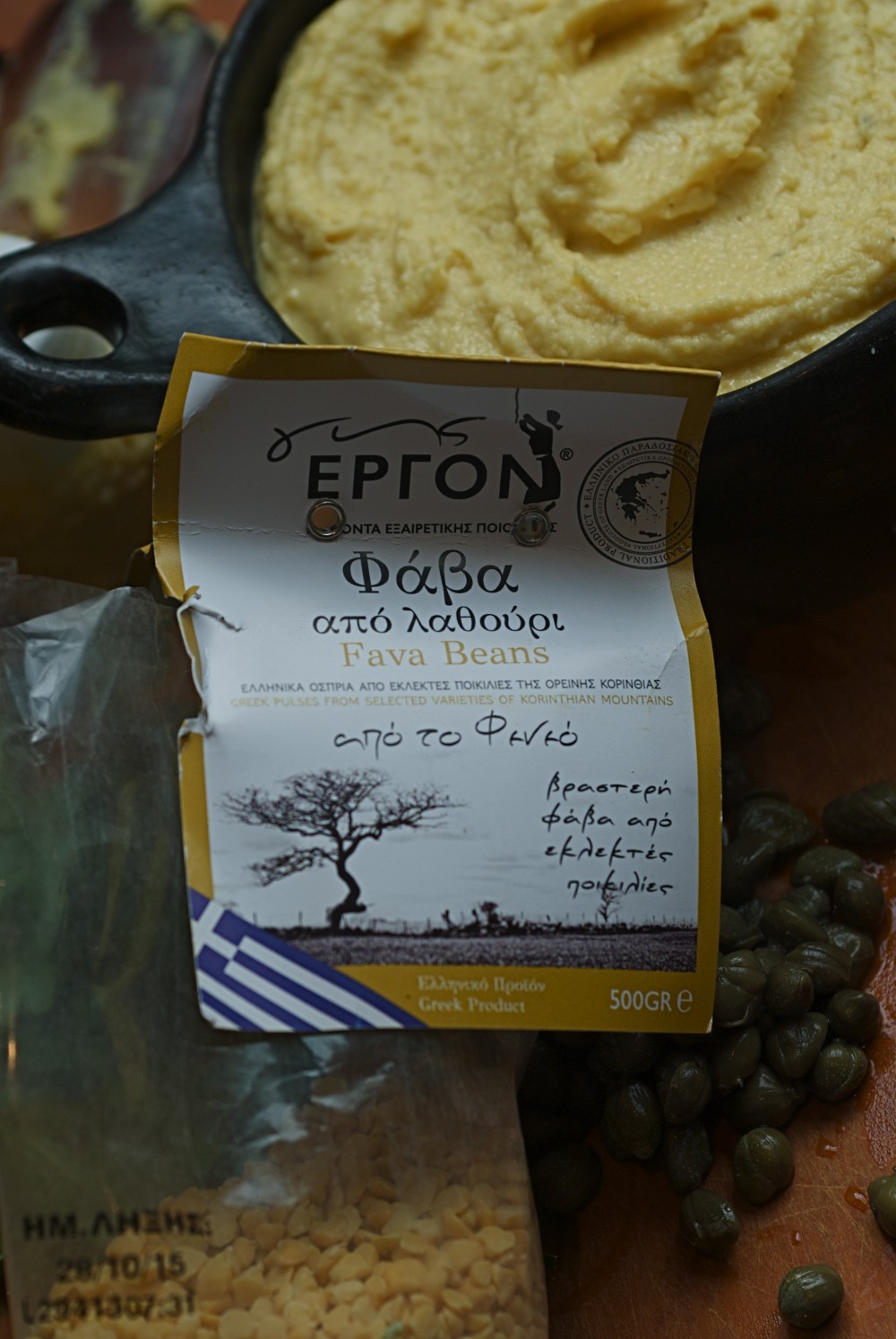
There are so many fabulous hummus-like dips around and yet we seem to be stuck in a rut- don’t get me wrong, I love chickpea puréeé but why not give some of the other legumes a go too. I talked about Moroccan Bessara back in May which I made with fava beans but this month I’d love to share this Greek island fava with you. It is rather confusing as traditional fava is not made with what we know as fava (broad beans) but with split yellow peas instead. I was stirred into action with this one when my mother brought me a packet of the split peas back from her recent holiday in Rhodes. You can use any yellow split pea but if you’re after the real thing you could go to the Ergon restaurant and deli in London or buy their beans on line.

Greek split peas

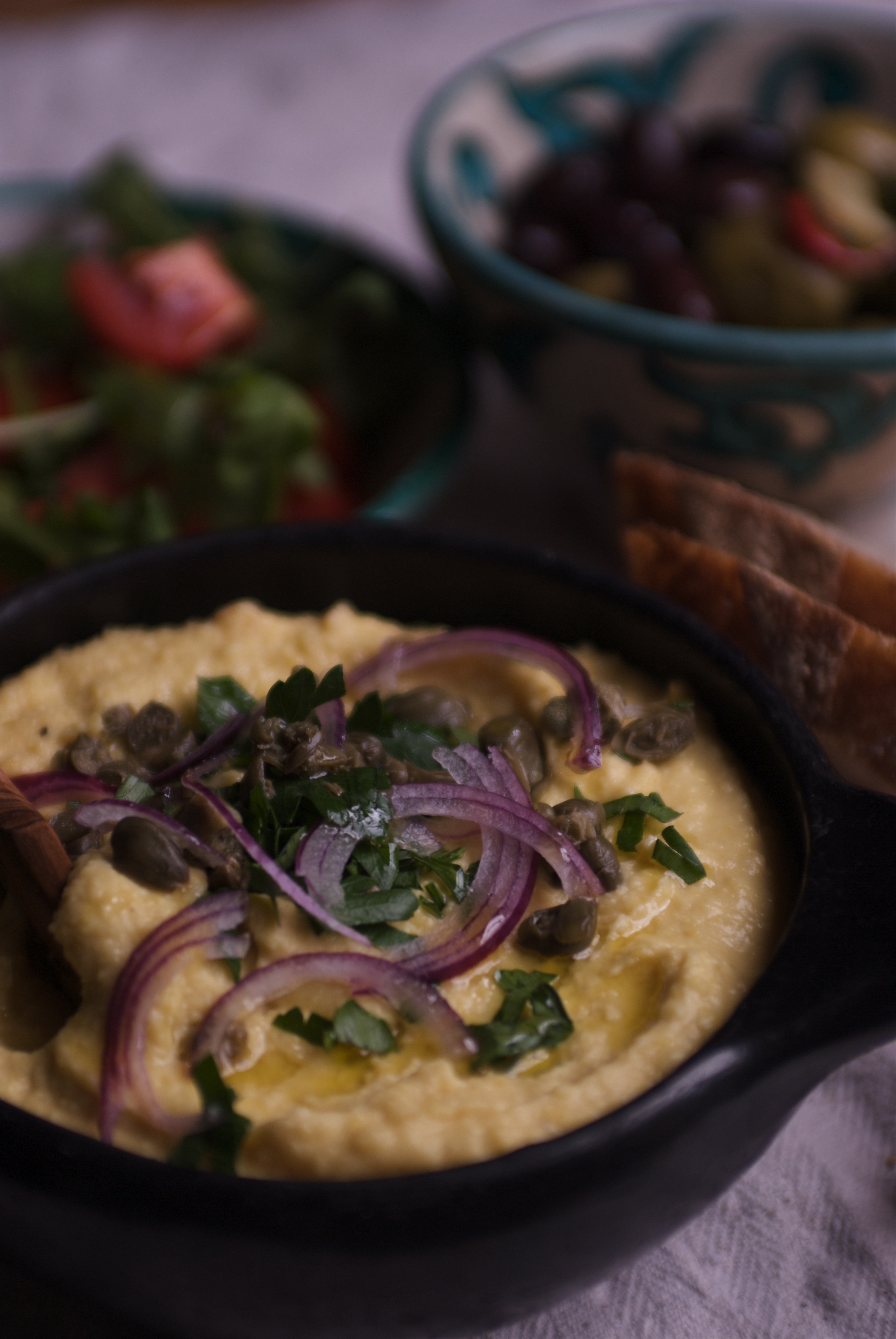
Greek Fava Purée

200 g/7 oz  yellow split peas, rinsed and drained
2 bay leaves
1 small onion, diced
1 tsp salt
3 cloves of garlic, crushed
5 tbsp extra virgin olive oil
juice of 1 lemon
freshly ground black pepper
2 tbsp capers, rinsed
1 tbsp roughly chopped parsley
A few very finely sliced pieces of red onion.

Place the split peas, bay leaves, the onion and enough cold water to cover everything by a couple of cm in a saucepan. Bring the water up to the boil skimming away any scum or froth.

Now simmer for about 45 minutes, stirring from time to time and, if necessary, adding a little extra water to keep the peas just covered.

Add the salt and continue to simmer until the beans are very tender and almost dry.

Remove the bay leaves and allow the split peas to cool for a few minutes before you puree them with a hand held blender or in a food processor.

Don’t worry, the peas will taste bland and flabby, they will be screaming for seasoning. Add the garlic, extra virgin olive oil, lemon juice, freshly ground black pepper and more salt, if required, until you have a wonderfully balanced puree.

Spoon into a bowl and allow to cool completely, letting the flavours get to know each other.

Serve with a sprinkling of capers, the parsley, red onion and a splash of extra virgin oil.

Try topping the fava with any combination of the following:
Chopped fresh oregano, coriander or parsley
A few chopped Kalamata olives,
Diced tomato and a handful of rocket.
A sprinkling of roasted cumin seeds and sweet Aleppo or Urfi chilli flakes

Greek Fava puree

We’re having the fava with a few olives, a tomato salad and some bread for a really healthy light lunch but do try serving it with some charred squid or cuttlefish.

NEWS –  Spilling the Beans: September 10th at The Folk House Café

I met up with cook and nutritionist Lou Marchionne a couple of weeks ago, only to discover that she’s as excited about pulses as I am. Over the years Lou has cooked at so many of Bristol’s most iconic places such as Rocinantes, Bordeaux Quay and now at The Folk House Café on Park Street. So, after lots of excited chat we’ve decided to have a Pulse night on September the 10th at The Folkhouse ……..I’d love you to come along.

We’re planning an hour-ish cooking demo (using recipes from my book Pulse)  followed by a buffet supper of delicious beany dishes – the menu will include chickpea farinata, a zippy Asian style soup, super healthy sprouted bean, fruit and feta salad, a roasted cauliflower, butter bean and wild rice dish and a smokey pork chilli. The idea is to inspire you with the amazing versatility of legumes, Lou will point out their tremendous health benefits along the way and then you’ll get to eat some very tasty food.

The tickets are an absolute bargain at £8.50 (you will have a great supper – plenty for vegans, vegetarians and the resolute carnivores) The bar will be open, so a great time to catch up with friends. The evening will last from 18.30 to around 22.00.

You can buy tickets HERE. Really hope to see you and your friends.

I’ll be selling my book PULSE on the night and matching the Amazon price of £17 (rrp £25) so do bring along a bit of cash (I don’t take cards) if you are planning to buy a book.

PULSE photographs by Clare Winfield