Category Archives: Uncategorized

Almost Instant Homemade Presents

DSC_9202_2I’m not about to spend the next paragraph grovelling about, or apologising for, my lack of blogging over the last month – life just got a bit chaotic.

I went to lots of food festivals where I demonstrated bits from the book. Everything went well bar one event which actually lived up to a recurring nightmare of mine. For years I’ve had this wierd dream where I’m cooking in front of a huge crowd but don’t have any ingredients. I’m basically treading water until the food arrives, but it never does. It’s a variation on the exam-that-you-forgot-to revise-for or the driving-test-with-a-locked-steering-wheel nightmare (surely you have those too?). Well, back in November I rocked up to do a demo, was introduced to an all time writer/heroine of mine, Elizabeth Luard, spent perhaps a little too long chatting and then popped over to check my ingredients at the demo theatre. NO INGREDIENTS. Miscommunication, I was meant to bring them. AAArgh! I felt like I was on some speed-shopper reality TV show with just 35 minutes in a small town, on a Sunday morning (just to make it worse), in which to assemble my ingredients. Well,  I have to say it was miraculous and the local CO-OP did me proud : pomegranates, limes, lentils and most of the other bits too. My fabulous assistant conjured up black pudding and coconut (not for the same recipe) from some of the festival stalls and I was on. I aged about 10 years in a morning.

The last couple of weeks have been all about festive cooking classes, to such an extent that I feel like Christmas must surely have been and gone by now. I’m taking a slightly alternative approach this year as I’m cooking for a crowd and have decided to abandon the big bird altogether. It’s hard not to feel rather smug as my duck legs are gently, very gently, cooking whilst I’m writing at my desk upstairs; I’m making confit. The idea is that I won’t have to be up at dawn to get the turkey in the oven,  I’ll have loads of space for spuds, parsnips and whatever else takes my fancy and I LOVE confit. I just hope that no one will miss the drum roll moment of the great golden bird being brought out of the oven, Pete certainly won’t miss the carving. I did have fun tracking down my 2 kg (yes, 2 kg) of duck fat but I’ll report back on all of this, with a recipe and a verdict  after the big day.

Now it’s a question of presents and I do really like to give people gifts that involve a little bit of personal input. Imi has been making biscuits for her teachers (I loved her labels including the £20.99 price tag) and pickled lemons for her granny; you can find the recipes and a bit of chat on the Borough Market Blog.

My almost instant gifts (sorry I’ve taken a few paragraphs to get here), are re-potted hyacinths. There are some fantastic tins, bowls and mugs around that would make great presents particularly when planted up with a beautiful hyacinth. You can even go green and do a bit of recycling. I have a fixation with stunning food packaging and keep any old tins especially the traditional syrup and treacle tins. It’s just a matter of a trip to a garden centre or plant shop where you can buy the bulbs and some extra potting compost and then tracking down some great pots. The old tins do look fun but I also fell in love with the Indian enamel beakers, you can get them directly from NKUKU but I found mine in The Better Food Company on Whiteladies Road in Bristol. So, even if you’re as disorganised as I am you still do have time to make a great little present.

Potted Hyacinths


Calling all West Country legume lovers

You really can’t escape me around the West Country over the next few weeks –  I will be talking, cooking and teaching pulses all over the place and would love you to join me.

So, for all you pulse enthusiasts (and the doubters too – I’m sure that I’ll convert you) here is my round up of events

1 pm Saturday 26th October –  1 hour master class  at The Bristol Home Food and Drink Show 

1 pm Sunday 27th October– a demo at the wonderful Dartmouth Food Festival

2 pm Sunday 28th October– “Have Fork, Will Travel” In conversation with Christie Smallwood  at the Dartmouth Food Festival

7.45 pm Friday 1st November– A  talk about my book, with some cooking too, at my favourite book shop Topping and Co in Bath

8pm Thursday 14th November – a fundraising demo for the Hotwells Primary School PTA, but open to the public, please contact me for more info.

10 am Saturday 16th November a Hip Whole foods  a full day, hands-on cooking class at The Bertinet Kitchen in Bath.

I will, of course, ensure that I have plenty of books to sign and sell at all these events should you be interested!

For more info on other classes I will be teaching in the next couple of months please take a peek at my website  for classes in Bristol, at The Bertinet Kitchen for classes in Bath and Divertimenti  for London classes.

Quick Quince Paste – Membrillo

I still have a mound of quinces in the kitchen and today I’m going to fill the house with the unforgettable perfume of their bubbling sugary paste. The firm jelly, Membrillo  (or dulce de membrillo  in Spanish – membrillo just means quince – let’s get pedantic!), is perfect with Sheep’s cheese, the best known being Manchego.  I love it with lots of other cheeses too especially anything blue. The Italians eat their version, cotognata, chopped into cubes as little sweeties. The Portuguse add a little dash of port with a pinch of cinnamon and call their quince paste marmelada (a quince is a marmelo and so there, apparently, is the origin of marmalade) Now I’m rambling as usual and I’d promised myself to do my first quick post ever. So here it is – a recipe from my first book The Food of Northern Spain which, rather conveniently has a beautiful picture of the quince and the paste on the cover. Jean Casals is a master of food photography and so I’ll happily use his image here instead of trying to cobble something together myself.Membrillo

My recipe is very traditional except for the last little section – the microwave tip! Now my microwave is usually reserved for melting chocolate, butter and perhaps re-heating a soup but I decided to give this shortcut a stab a few years ago and now, unless I’m making catering quantities of membrillo, it’s my foolproof method.

Dulce de membrillo

1 kg/ 2 lb quinces
750 g / 1 ½ lb sugar- approximately (see method)

Wash the quinces and wipe off any of the  suede-like down  but leave the skin on. Now remove the core and cut the fruit into small rough chunks. Don’t worry about the fruit discolouring your paste will be a deep rusty brown by the time you have finished.

Place the fruit in heavy pan with about 300 ml/½ pint water. Boil the quince until it softens, about 20 – 30 minutes and then strain off the water.

Now you need to make a puree, and by far the best piece of equipment for this is the mouli-légumes, (or pasapurés as it’s known in Spain) as you want to leave all the skin behind. You could use a potato masher and then push the puree through a fine sieve but it would be a lot more faff and your mouli will always make the best mashed potato in the world so it’s worth the investment.

Now weigh the puree and add an equal weight of sugar.

Cook really gently until the sugar has dissolved and then turn up the heat and boil until the mixture thickens. This will probably take at least an hour of fairly constant stirring, so have a relay organised and just make sure you have good oven-gloves and wear long sleeves; the hot jelly spits like volcanic lava. The puree will thicken up and turn deep red and the spoon will virtually stand up by itself.

Now spread the paste out in a layer about 3 cm/1 inch thick in a tin about 20 cm/ 6 inches square,  lined with greased paper. Allow to set for about 12 hours.

& now for the life’s too short microwave method:

Once you have your fruit puree mixed with the sugar, then place it in a deep glass bowl, with plenty of room for expansion as it will bubble up quite a bit.Cover with microwave cling film. Now microwave on medium for 10 -15 minutes and then give it a stir (take great care it could give you a nasty burn). Repeat the process 2 more times until the paste is really dark and thick. You may need to increase or decrease the time a little according to your microwave. Tip out onto the greased paper as before.

And just a couple of ideas:

* You can make the paste with apples too – I came across a dulce de manzana in The Basque Country, served with local Idiazabal cheese. Use the same method but add just 100g more sugar. I made some last year, using eaters rather than cookers and it reminded me of the deeply appley-caramelised flavour of Tarte Tatin.
*I’ve just discovered this Ottolenghi recipe that I will just HAVE to try : Membrillo and Stilton Quiche.  Aargh mouth’s watering – I need to go for some lunch.

Roasted Quince with Bath Blue Cheese & Lentil Salad

Last year I spotted a quince tree, laden with fruit in a Bristol garden as I parked up my car. Quinces are mysterious things; they’re too hard and too sour to consider eating raw. You can’t even whip up a tart or a crumble as you might with an apple because the flesh takes so much longer to soften and mellow. So, many a forgotten quince languishes, unloved on a tree in this country until it rots and drops. I posted a note through the door of the house where I’d eyed them up, offering some cash and even a good slice of membrillo, but never heard a thing.  This year I got a message from some wonderful friends Mike and Viv in Bishopston who offered me a few of theirs. I jumped at the chance, grabbed my basket, slipped on my quince-yellow top (who can miss a photo opportunity?) and set off.

Mike was ridiculously generous and I finished up with at least a dozen quinces. They’ve been sitting in a bowl filling the kitchen with their unforgettable perfume and looking so beautiful that I could barely bring myself to cook them. You can see why they are reputed to be the original golden love apple of Aphrodite.
I’m going to make some membrillo (the solid quince paste that the Spanish love to eat with cheese – particularly Manchego) later in the week, but yesterday I baked a few of the fruit until deep coppery red and as  tender as a canned pear.Quinces perfuming the kitchen

Baked Quinces

100 g butter
4 heaped tbsp of soft brown sugar
4 medium quinces
1 stick of cinnamon.

Now these really couldn’t be simpler. Pre-heat the oven to a medium temperature around about 170º C. Place a heatproof dish in the oven with the butter and sugar just to melt and dissolve a little.
Meanwhile peel and quarter the quinces (unless they are very tiny and you might like to leave them in halves) I used my trusty melon-baller to remove the cores but you could just use a knife.

Take the dish from the oven and roll the fruit around in the sugary butter. Add a stick of cinnamon  and then cover tightly with foil. Put back in the oven for 2-3 hours until the fruit is really tender and a deep brick-red. It’s wise to take a peek at hourly intervals just to check that there’s a bit of moisture in the dish, your packaging may not be as steam-tight as you think. Just add a slosh of water (or wine/Masala) if it’s looking rather sticky and dry – you musn’t let those precious juices burn.

Eat warm or cold.

Baked quince with cinn

And what to do with those baked quinces:

I would always recommend baking a few quinces at a time and then using them in all sorts of different ways. Play around with the flavours adding any, but not all, of the following : vanilla, star anise, wine, port, Creme de cassis, honey or maple syrup.

*Serve warm with clotted cream, Greek honey with yoghurt, vanilla ice cream or rice pudding.
*Add some cooked quince to an apple pie or crumble – about 1/5 quince to 4/5 apple (it’s quite a strong flavour)
*Stir into a simple lamb tagine instead of apricots – I’ll type up my favourite recipe sometime but here’s one to keep you going from Jill Dupleix. Just add roasted rather than poached quinces.
* Serve with a blue cheese and lentil salad as I did at The Great Bath Feast.

Baked Quince, Bath Blue and Lentil Salad (serves 4)

1 x simple lentil salad (below)
1 baked quince ( as above), diced into 1 cm squares
200 g Bath Blue cheese, or any creamy cow’s milk blue
1 handful of walnut halves
2 sticks of celery, finely sliced
100 g watercress

Carefully stir about 2/3rd of your quince, blue cheese, walnuts, celery and watercress into the lentils. Be gentle you don’t want the cheese to collapse and make the entire salad look milky.

Spoon onto individual plates or onto a large serving platter and sprinkle over the remaining ingredients.

The Basic Lentil Salad (from my new book PULSE)

250 g/9 oz Puy, Castellucio lentils, or other tiny green lentils – rinsed
1 bay leaf
1 small red onion
2 tbsp red wine vinegar
4 tbsp extra virgin olive oil
1 clove of garlic, crushed
salt and black pepper
4 tbsp flat leaf parsley, chopped
Place the lentils in a pan with the bay leaf and cover with cold water by about 5 cm/ 2 inches . Bring them up to the boil and then simmer for about 20-30 minutes until tender but still intact.

Pour the vinegar over the red  onion and leave to soak. The onion will turn fuschia pink and become softer in both texture and flavour.

Drain the lentils, reserving their cooking liquid, and whilst still warm add the vinegar, olive oil and season well with salt and black pepper. Once cool stir in the chopped parsley and add a little cooking water if the salad seems dry.

And -you can of course use this basic lentil salad as the base of dozens of variations eg beetroot and feta, chicken and avocado, Piquillo pepper and Montenebro goat’s cheese. The best place to look for these ideas is without a doubt (you guessed it) my new book!

If you came to my demo on Sunday in the great Bath Feast Pavilion then you may be wondering about the chickpeas too. You can go to the fabulous Borough Market blog (I teach there too) and just add a bit of Orchard Pig cider to this recipe.

Coco – the crème de la crème of beans

Last week the wonderful Charlie Hicks dropped off a calico bag of the most amazingly creamy beans that I’ve ever tasted. Now, I’ve been a fan of semi-dried, or what the Americans call “shelling beans” for years. These beans are left on the plant until fully matured and beginning to dry. Their season is from late summer into early autumn so we’re really at the close- snap ’em up if you can or you’ll have to wait until next year.

When I was in my twenties I cooked on a very glam’ Italian yacht and the guests used to go bonkers with excitement at the beginning of the borlotti harvest and soon I loved them too. Last summer we spent a couple of weeks in Calabria and despite the fact that there were dozens of wonderful little restaurants and beachside lidos serving up zippy, chilli-fueled dishes I just couldn’t resist cooking some of the stunning pink-speckled borlotti from the market. Shopping was the first job of the day before the searing August heat set in and bean-podding made a change from the children’s other holiday job of making fresh lemonade. Podding was safer too; we only discovered that the lemon tree (that we’d encouraged the kids to climb) hung precariously over an 80 ft drop, on the last day of the holiday. What a way to go, plucking a lemon for your Dad’s G&T.

My way with borlotti is an Italian classic. You fry up some diced pancetta (unsmoked bacon will do), onion, celery and carrot and once your “soffritto” is meltingly soft then throw in the beans. Give them a stir and cover with water, or stock, and add a few herbs (such as rosemary or thyme) to the pot. Simmer until the beans are tender and then season, toss in some fresh tomatoes and some tiny pasta shapes. Cook until the pasta is ready. Heaven. (You can find a more detailed recipe in my book PULSE)

But now to the white beans. In Calabria I found fagioli a burro (Italian butter beans – not related at all to what we know as butter beans) and they were indeed pretty buttery in texture. It was about 40°c and so I made a really simple salad- in fact it was so hot when we decided to prepare my beans that Imi and I had to sit in the paddling pool to keep cool whilst we podded. I’ve cooked cannellini from the pod too, as well as delicious Spanish pochas, but until last week I was a coco virgin.

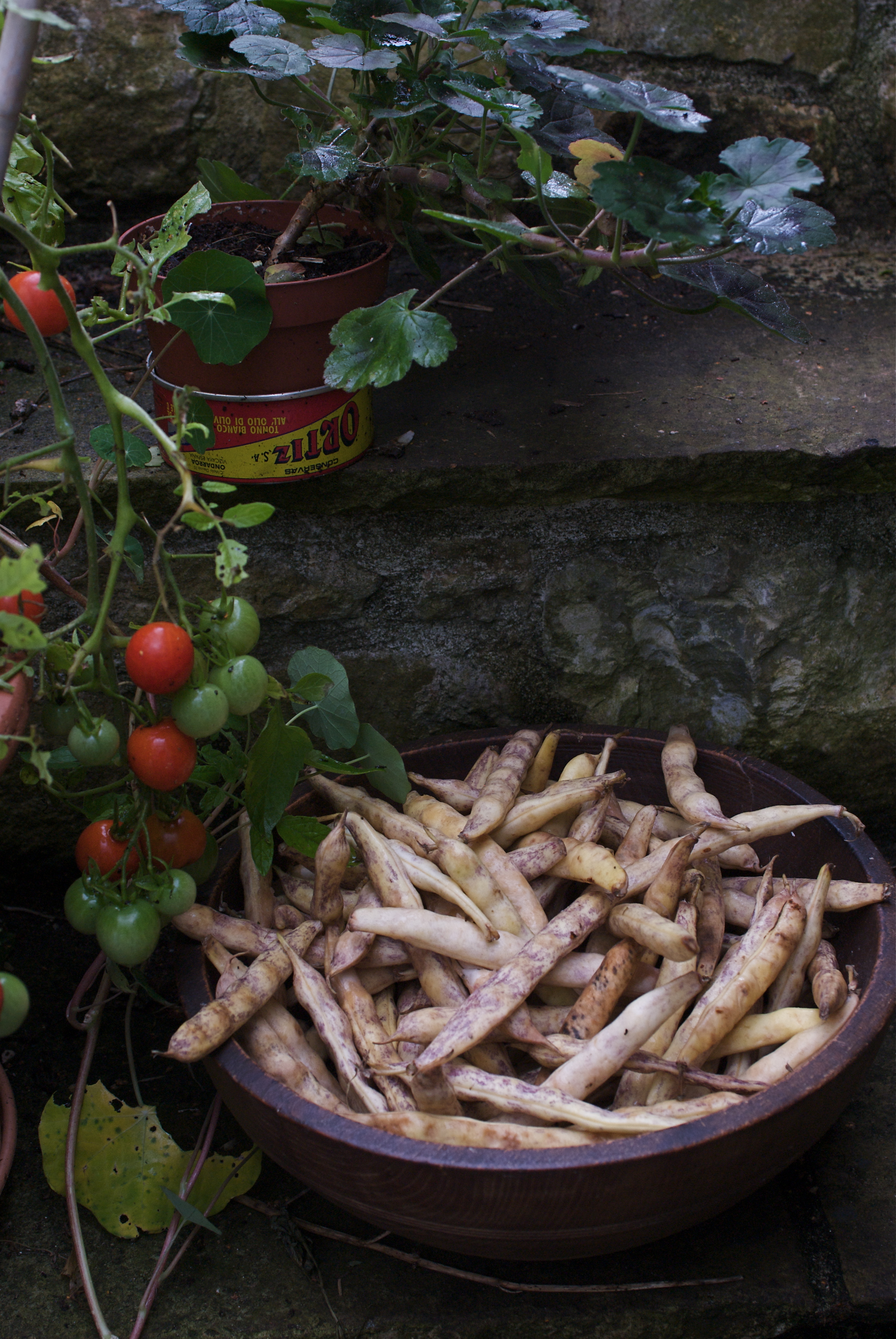
Coco beans

I have to admit that the Breton coco bean, or Coco de Paimpol to be precise (it has it’s own appelation d’origine contrôlée), is not much to look at in its pod – no flashy pink, just a rather mottled violety-beige, but it pops from the pod, glistening white and shiny. If the borlotti deserves Italian fashion status with it’s Missoni-esque markings then the aptly named Coco surely should be hailed as the pure chic, French Chanel.

The texture of the cooked coco is exceptional, Charlie tells me that they have been referred to as beany ganache, well it’s no surprise. These are the most melt-in -the mouthy legumes that I’ve ever experienced and that’s coming from someone who has spent a couple of years researching a book on pulses.

So what to do with them? …I kept it very simple.

Cover the beans in water, throw in a couple sage leaves and chop up a few fresh tomatoes (I picked the last few of our homegrown) Simmer the beans until tender and then season with salt.

We ate some of our beans hot with plenty of extra virgin olive oil alongside our monthly treat of rump steak (from our meat box). The remainder were shared with Sasha the fruit fairy up the road, and eaten as salad with some finely diced shallot, parsley, extra virgin olive oil and red wine vinegar.

I’m waiting for the 2014 Paimpol coco season already. You may have to badger your green grocer to track some down but do, the coco is honestly the crème de la crème of beans.

My alternative 5:2 diet with some Sobrasada thrown in.

Last week’s trip to London was a lightning fast, belt-tightening business. I’m afraid that the tightening was not of a budgetary nature,  more a matter of waist expansion. I went on the opposite of the 5:2 diet (which, if any of you have somehow managed to miss all the hype, revolves around five days of “sensible” eating and two days of fasting each week) I think I managed to pack in about 5000 calories rather than the terrifyingly meagre 500 allowed on each of my 2 days. I must be taking Graham Norton’s very sensible advice that there comes an age when you decide between your face or your buttocks. A couple of my fasting friends are looking positively peaky even if they do have waspish waistlines.

The National Express coach left Bristol at 5.45 am ; how very glamorous! This could bring on a rant about train prices, as I just can’t part with well over £100 (I need to arrive by 9 am) for the pleasure of squeezing onto a packed train to London and back. People tend to be terribly snobby about the bus, but I take a different view. By the time I get to London I’ve saved myself over £90 which I can then blow on cook books, crockery, cheese or whatever else I decide is a vital business expense, all without an ounce of guilt.

I kicked of with a Pulse demo at Divertimenti on Marylebone High St, which was great fun (well, I thought so) and afterwards had some heady excitement signing books (it does still seem very odd that anyone should want my signature), although my line-up was rather more bus-queue than Katie-Price-stampede. I munched my way through a good plate of my legumes, quality control of course, and then jumped on a double-decker bus to Notting Hill – I love that front seat at the top, it still makes me feel like a sightseer.

First stop my favourite book shop in London, Books for Cooks. If you haven’t been, you should go for lunch one day. Eric, Clara and Marilou cook up a fabulous feast from the books they stock in the shop (meaning that they’re super-clued up when it comes to recommending what to buy too). You can’t book so rock up by midday if you want to be sure of a table. Of course I had to buy something; this time it was Bruno Loubet’s truly inspiring Mange Tout.

Virtually next door to Books for Cooks is Ceramica Blue, where I’ve found my most exciting bits of crockery, napkins, aprons and all those other essential bits over the years. The danger is that, with blog pictures to take, I have yet another reason to squeeze even more plates into my cupboards. For once I was incredibly restrained and managed to leave the shop with a couple of funky acrylic spoons, a turquoise bowl and an apron depicting all the classic meat cuts  (just incase, with all the pulse talk, anyone thought I was a vegetarian).

Next I discovered the very novel Biscuiteers, yes, you guessed it – a biscuit shop but “this is no ordinary” biscuit shop if there is such a thing. I felt like the sugar-plum fairy stepping into in a pink candy palace, even the lady behind the counter looked like a doll. These are biscuits for the Caviar Set, who else could possibly snap up a small tin of exquisitely hand-iced safari animals costing almost £40? You can even treat your pampered pooch to a few personalised dog biscuits . I couldn’t resist a lone lobster for Imi (it was fabulous before I crushed it in my handbag), and was helpfully advised that she could come along and decorate her own biscuit for £10! Extraordinary. It’s another, admittedly very beautiful, planet.

Ok I’m rambling now, so I’ll try more pictures and less words (oh and these pics are all ipad snaps as I couldn’t face hauling my camera around London). So here’s the menu from Bruno Loubet’s Grain Store, where I ate a very tasty dinner with my old mate Stephen. I’ve dropped my food photos as it was rather dark, so dark in fact that I could barely read the menu. It’s by no means a vegetarian restaurant but the vegetables really do shine. Highlights: the sprouting beans with miso aubergine and crispy citrus chicken skin and the rather unlikely horseradish ice cream with nasturtium leaves and a strawberry and balsamic jam.

Up early the next day for breakfast at Honey & Co on Warren St. I’ve been dying to eat there for ages, next time it will be dinner, I love the place. The Middle Eastern savoury pastries looked fabulous but I knew that I had a day of tasting ahead so I plumped for the, oh-so-much-lighter option of toasted fig, walnut and orange loaf with marmalade. Heaven.

On to Borough Market where I had planned a bit of a recce around the stalls in preparation for my debut demo there next week. The highlight was a tasting session at Brindisa, the Spanish food specialists – it was like winning Willy Wonka’s golden ticket, munching my way through piles of amazing charcuterie and cheese. The Ibérico ham was exquisite of course but I made a couple of new discoveries too. The Grazalema sheep’s cheese from Andalucia looks rather dry and unexciting but bursts into caramelly-nuttiness in your mouth, it may have become my desert island cheese. The other exciting find is the Ibérico sobrasada, a kind of spreadable chorizo that’s fully cured so you can eat it like a pâté. Some of the traditional Mallorcan sobrasada seems very greasy to me, and there’s no denying that sobrasada loaded with pork fat but this one is balanced and very, very tasty. Try to track some down, you may have to buy it online but it has a long shelf life, it’s great stirred into a bowl of lentils, stuffed into a chicken or just eaten on toast. Calabrian N’duja is a similar, spicier porky paste that’s worth looking out too.

Just before I leapt, or rather crawled, onto the tube to catch my bus home I did spot my mate Roman and definitely got a stare from a couple of his heavies when I snapped a shot of him. The things I do for you.

I’ll leave you now, after a very long post with a very quick recipe from my book. It works  perfectly with a spot of sobrasada on the top.

Cheat’s creamy bean crostini
1 x 400 g/14 oz tin of cannellini, haricot or flageolet beans, drained
2 cloves garlic, roughly chopped
4 tbsp extra virgin olive oil
juice of 1/2 a lemon
a pinch of salt and pepper
Optional : a few leaves of  parsley, basil of marjoram.
A few slices of toasted baguette

Whizz the lot up into a puree in a food processor or with a stick blender and then adjust the seasoning until you are happy. The creamed beans will be subtle but need to be balanced all the same.

Put a tablespoon of puree on each crostini, pop on a leaf or 2 of your chosen herb and then top with a teaspoon of sobrasada, harissa, tapenade, pesto or salsa verde.

Pulse – a sneaky preview

I promised you a few images from the book, so here they are. I hope they’ll give you the gist of what this latest tome is all about. I want to share my love for legumes, I really do think that they’re one of the most satisfying and delicious ingredients in the kitchen. It’s not about persuading you to eat them because they are incredibly healthy, economical, sustainable, easy to cook and infinitely versatile (obviously quite a few bonus points too) it’s all about how very, very tasty they are. Pulses have at last emerged from their tie-dye teepee, so ditch all those hippy preconceptions and dive in.

I can think of nothing better than tucking into a slow-roasted shoulder of lamb with flageolet beans or some roasted autumnal roots with chickpeas and pomegranate molasses. Yes, it’s all about comfort today; it’s peed with rain all afternoon, I’ve had my SAD lamp on next to the desk it’s been so dark and desperate.

Tarka Dal - Pulse

Dahl is one of my favourite simple supper dishes. You can serve it alongside a curry but I’m just as happy to eat it alone with a bowl of rice or an Indian flat bread. Stir a spicy Tarka and a few spinach leaves into the dahl at the last minute and it’s fabulous. I’m not a veggie but I could happily eat this at least once a week.

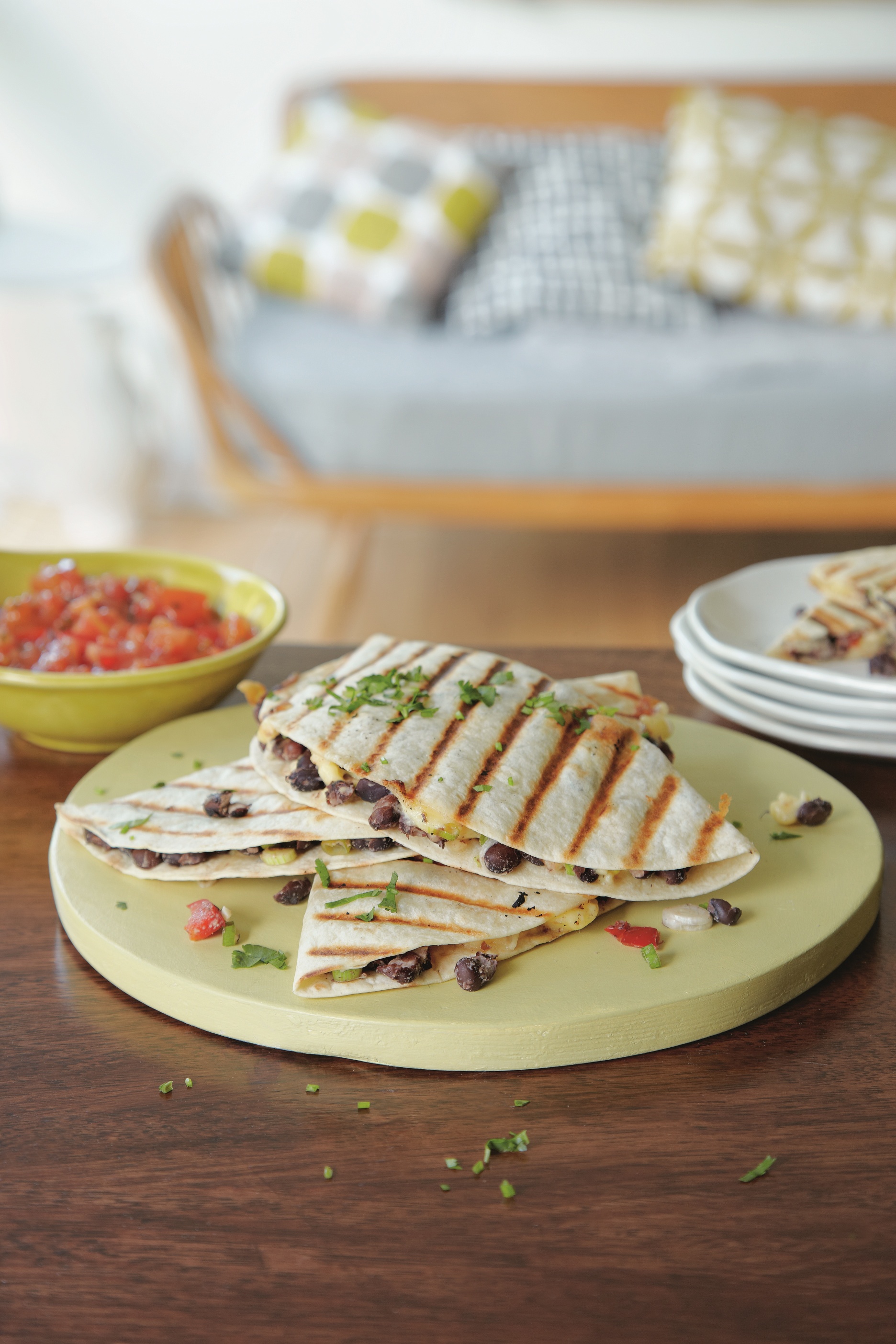
Black Bean QuesadillaBlack bean quesadillas are really quick to make especially if you use tinned black beans but I must encourage you to boil up a big pot of beans and then use them for a selection of recipes, vary the dishes enough and no one will ever notice that they’ve eaten the same bean three times in one week ( you can freeze any left over beans too). So take black beans for example: you could have Mexican quesadillas on monday, followed by black bean, squash and sweetcorn soup on wednesday and indulge yourself by making black bean brownies for the weekend.

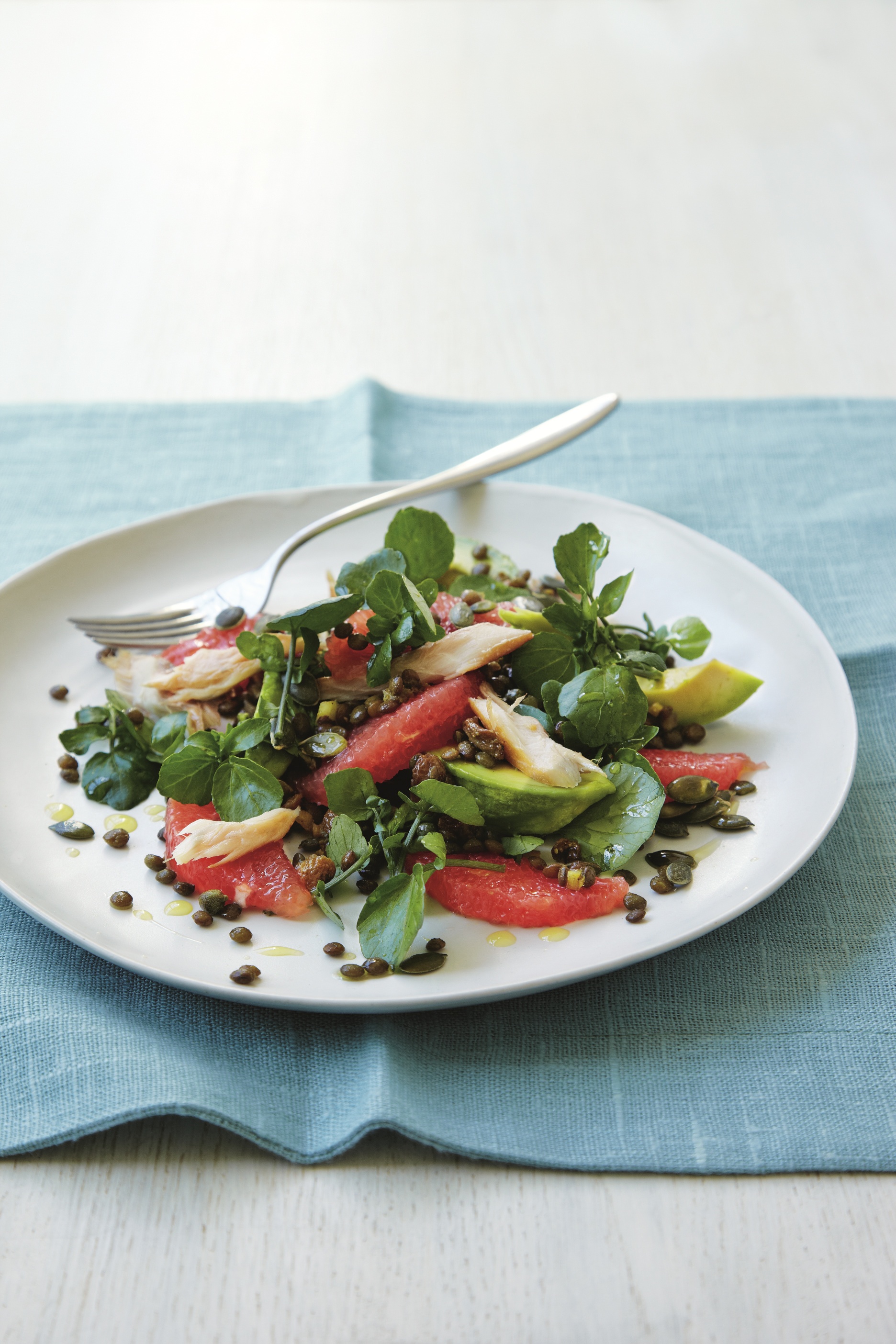
Smoked mackerel., grapefruit and lentil salad

I prepare lentil salads year-round, you can top them with whatever’s in season. This smoked mackerel, grapefruit and lentil salad is a wonderful, zippy winter salad. It’s great when your feeling a bit sloth-like and sluggish because it’s packed with vital vitamins and omega 3. There are plenty of other legumey salads as well. They’re particularly good for lunch boxes; where a leafy salad wilts a pulse just soaks up the juices and develops in flavour.

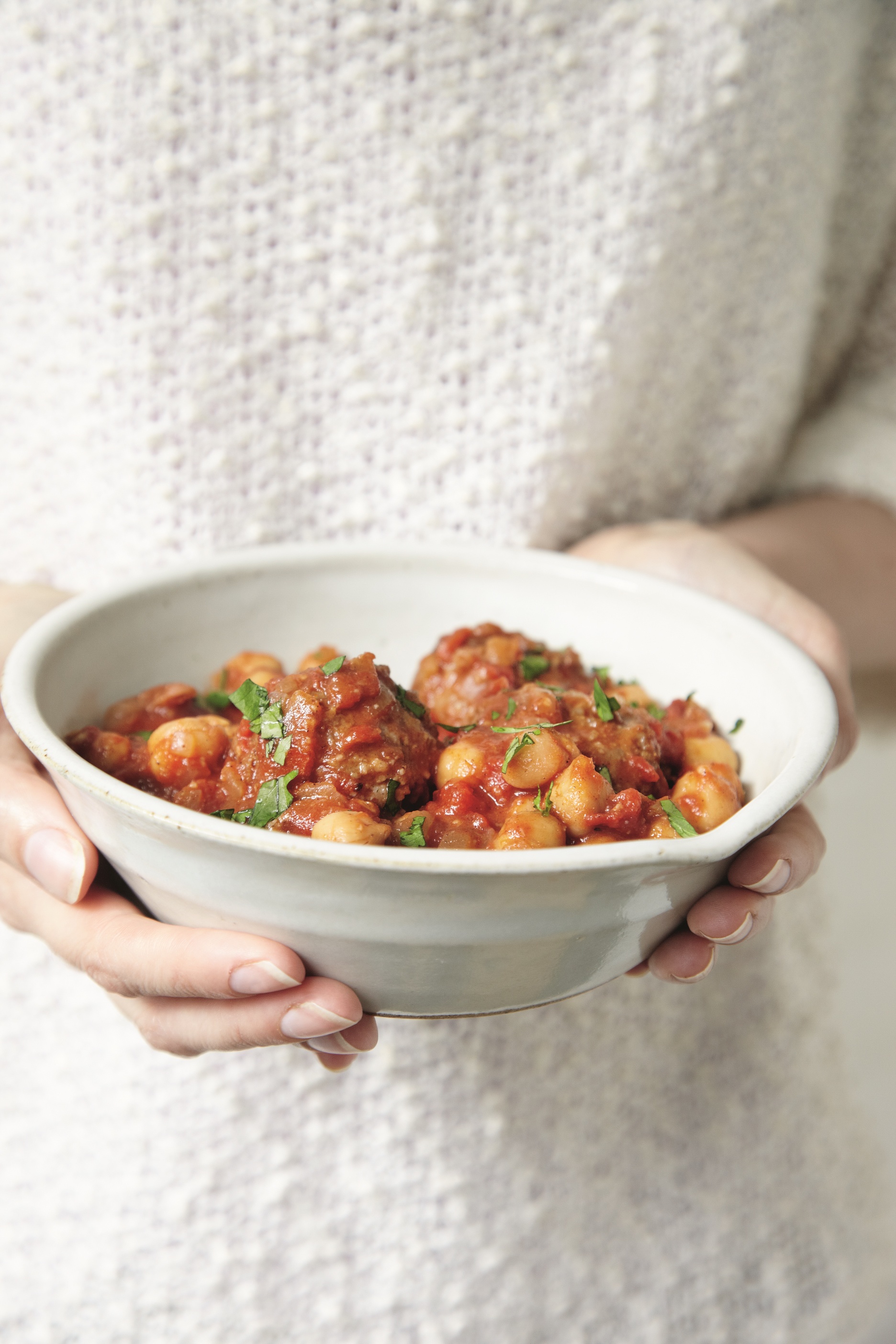
Moroccan chickpeas with meatballs

These Moroccan chickpeas with meat balls are a family hit and a great reminder to all those doubting carnivores that legume dishes don’t necessarily have to be vegetarian. Cassoulet, Chilli con carne and Boston baked beans are all classics but there are plenty of other dishes such as Pot roast pheasant with prunes and lentils to get your teeth into too.

Now I do promise that you’ll have a recipe in my next post, I have a tray of figs lurking downstairs and a wonderful recipe to prepare. Meanwhile I hope you’ll enjoy Clare Winfield’s amazing photography and excuse me for banging on about my book yet again.

The Book Launch – PULSE

Here we go, a really self-indulgent post, MY BOOK LAUNCH last night. I have to admit to the pre-party nerves, gluey mouth and a general desire to hide under a table before anyone arrived but then I had a fabulous time.

Peter and Max, and the entire team at the Riverstation were wonderfully accommodating. We obviously had to nibble at recipes from the book and so I spent a couple of hours in the restaurant kitchen yesterday morning helping prep the food. It was quite an experience, working in a busy kitchen where you don’t even know where to find a spoon.

We served smoked aubergine and Puy lentil crostini, broad bean and chorizo crostini, cannellini and parmesan frittelle with salsa verde, falafel with sweet chilli sauce, spiced tomato and red lentil soup and then, last but not least, melt-in-your-mouth black bean brownies. I may just part with one of the recipes in due course but in the meantime you may just have to buy the book!

I won’t bore you with a list of all the lovely guests, you can get a glimpse of them above (with far too many pictures of me, sorry!)  suffice to say that I was chuffed to bits with such wonderful support.

The event gave me a chance to thank, and I shall say thank again, all the truly inspirational people who helped along the way with PULSE, in particular, Emily Preece Morrison my unbelievably supportive editor at Pavilion. Georgina Hewitt, Wei Tang, Maud Eden and the truly gifted photographer Clare Winfield have made the book look stunning. So thank you, thank you, thank you. It’s often easy to forget that there’s a copy editor (the very patient and rigorous Maggie Ramsey) an indexer (Ruth Ellis- I just can’t imagine where you begin), recipe testers (with Hannah Cameron playing the starring role) and guinea pig diners involved too.

So in a couple of days when I’ve had time to gather some images together I’ll give you a bit of a sneak preview of PULSE (just go to the previous post if you’d like to hear a bit of chat).

Spilling the beans – Pulse is out!

It’s here, it’s arrived and now you can hear me telling you all about PULSE.
I’m feverishly baking black bean brownies this morning ready for tomorrow’s launch, I’ll let you know all about it later in the week.

I have loads of extra legume recipes that just didn’t fit in the book, so be prepared for some pulsating weeks ahead (and I promise to stop the puns right there – oops just noticed that I’ve called the video “spilling the beans”)

If you’d like a copy it would be great to support your local shops. Three independents that I simply love, where I know you will find Pulse, are Books for Cooks in London, Topping and Company in Bath and Papadeli in Bristol. And, of course, you can find Pulse on Amazon too.

Pickled Cherries

At last, here’s the cherry post that I promised you a few weeks ago. I may have missed the boat -I’m not even sure that there are any English cherries left but you could always save the recipe for next year.

I’ve often dreamt of having a larder packed with pots of homemade preserves but to be honest I rarely get around to making jams and pickles (and rather sadly I don’t have a larder either). There’s something rather domestic goddess-y about reaching for the homemade bergamot and ginger marmalade when friends pop in for tea. These cherries only take about ten minutes to make and you too could feel that sense of self-satisfaction as you whip out your hand crafted fare.

Jane Grigson’s Fruit Book has a simple recipe for French pickled cherries and I’ve just added some different spices to the mix. The cherries don’t even need to be pitted and I think that they’ll look much prettier served whole on a bit of stalk, so I just trimmed all the stalks to a couple of centimetres.

Pickled Cherries

500 g fresh cherries
500 ml wine vinegar (white or red would be fine)
300 g soft, light brown sugar
1 cinnamon stick
2 bay leaves
4 star Anise
1 tbsp fennel seeds
1 tbsp coriander seeds

Pile the cherries into a sterilised jar ( a Kilner jar is ideal otherwise you will need to place some paper between the vinegary liquid and a metal lid).

Heat up the remaining ingredients in the vinegar for about 10 minutes until the sugar has completely dissolved. Set aside the liquid in a non-reactive pan or a glass jar and leave for a few hours, or overnight for the flavours to infuse.

Strain the cooled vinegar over the cherries, making sure that they are completely submerged in liquid. Seal the lid, place in the fridge and leave for at least a week.

Pickled CherriesI have high hopes for these cherries with a pork pie or some rillettes (now there’s a recipe, I’ll share that one with you later in the year) but they should also be delicious with a bit of good cheese. I’ll let you know.