Category Archives: Pulses

Farinata and The Folk House

A couple of weeks ago Lou Marchionne and I had a great evening “Spilling The Beans” about the delicious and nutritious versatility of legumes at The Folk House Cafe in Bristol. We got things rolling with a nibble of freshly cooked rosemary farinata and many of you who came along loved it so much that I promised to share the recipe from my book (Pulse).

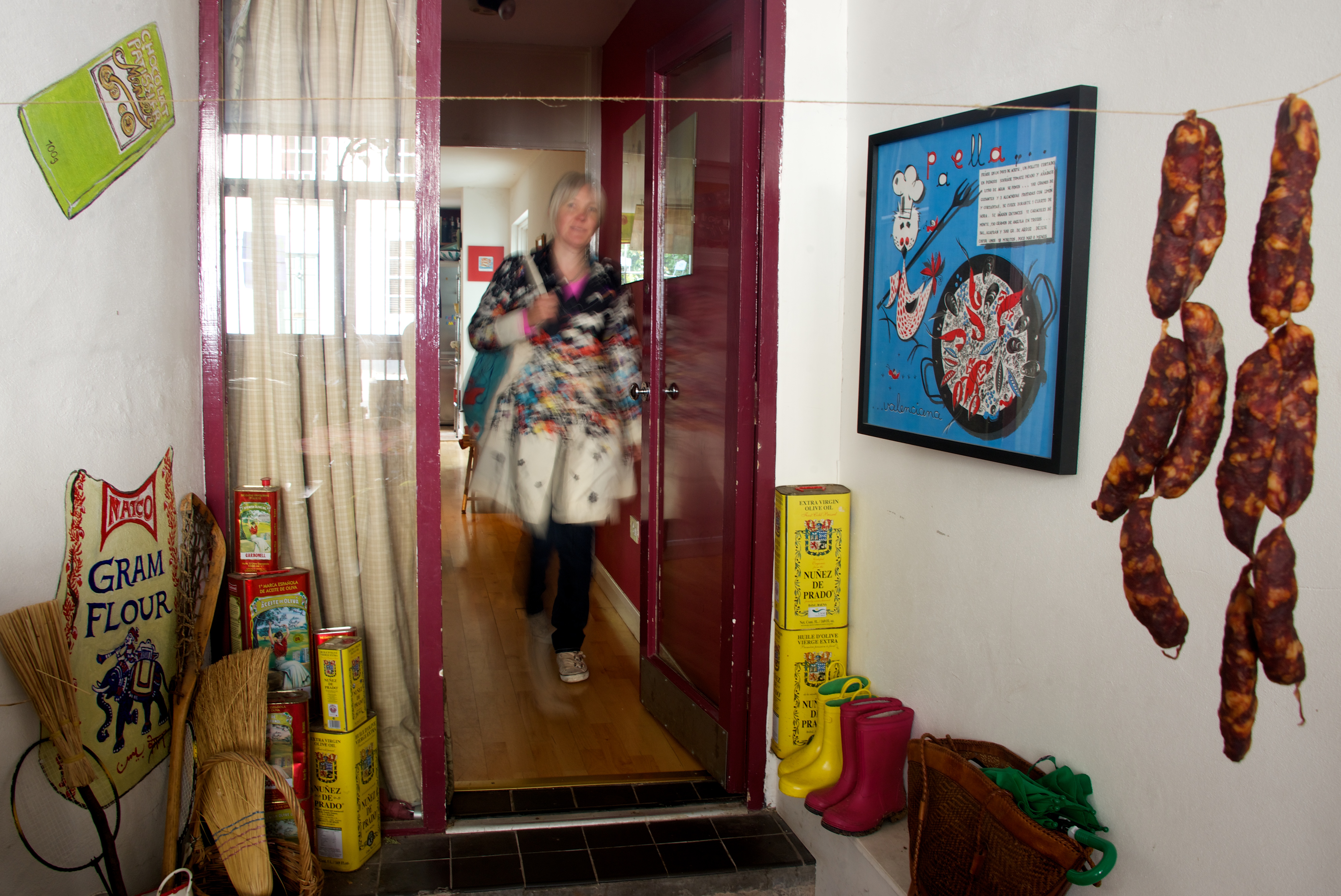
Farinata’s a flatbread/pancake (also known as cecina, torta de ceci or socca – depending on where you come from) made from chickpea flour. It’s a speciality of the French and Italian Rivieras that I first came across in the trattorias of Chiavari back in my yachty days. Farinata makes the perfect lunchtime snack and it’s obviously a fabulous choice for all the gluten -free/wheat-free brigade.

This morning I popped into  The Better Food Company in Clifton to pick up the chickpea flour, or gram flour as it’s often known, so that I could prepare and photograph the recipe for you. … Yippee, there was Lou behind the deli counter just setting out some of her freshly made farinata,  it was meant to be! So, you have a pic’ of Lou’s cooking instead of mine. May it entice you into either of the fabulous local Bristol joints where she works her culinary magic, the afore mentioned Better Food Company or The Folk House Cafe.

Chickpea Flatbread or Farinata
Serves 4-6

200 g/ 7 oz chickpea flour (gram flour, besan)
1/2 tbsp finely chopped rosemary (optional)
1 tsp salt
400 ml/ 14 fl oz  water
3 tbsp extra virgin olive oil
plenty of freshly ground black pepper.

Tip the chickpea flour, salt and rosemary into a large bowl and slowly whisk in the water until you have a loose, lump-free batter. Rest the batter for at least an hour and up to 12 (strict timing instructions vary from town to town in Italy, with disasterous consequences if not adhered to, although I’ve noticed little difference in the results)

Preheat the oven to 220 C/425 F/Gas mark 7

Take a large flat tin or oven-proof frying pan ( the professionals have a huge round pan specifically for the purpose) and heat it up in the oven or on the hob.

Skim off any froth from the top of the batter and then stir in most of the olive oil.

Add the remaining oil to the hot pan, swirling it to create a non stick surface. Now tip in the batter to a depth of about 1 cm/just under 1/2 an inch and place in the oven.

Bake for about 15 to 20 minutes  or until the surface of the farinata is crisp and bubbling. I also give mine a quick blast under the grill for some extra colour.

Give it a few turns of the pepper mill, slice up with a pizza cutter and serve right away.

To make unorthodox individual servings: Fry off the batter (still about a centimetre thick) in a small crepe or omelette pan, turning it, just as you would a pancake. Once the farinata is set slip it onto a greased oven tray. Repeat the process with the remaining batter, layering greaseproof between each flatbread and then place the tray in the oven for about 5 minutes before serving.

How about serving with?
Fried onions and Gorgonzola cheese,
Mozzarella with tomatoes and basil,
or Taleggio with ProsciuttoFarinata recipe Pulse

And, for locals or visitors to Bristol…

Just a word about The Folk House which is one of those quintessentially Bristolian institutions that makes ours THE best city to live in. Tucked away down an alley at the bottom of Park Street it’s easy to forget that it’s there. The cafe is amazing, serving freshly-made, ethically sourced lunches – it’s restaurant food at cafe prices, I really can’t recommend it too highly. There is, of course, plenty of live music primarily but not exclusively of the folky kind and then there are the adult education courses. Where else could you sign up for classes from such an eclectic line up?  There’s everything from pottery to poetry, hula hooping to laughter yoga or succeeding at Suduko.

I have to admit that I’ve only done one course so far, a textile workshop where I designed some rather garish, shiny bits of fabric. One piece turned into a Barbie ballgown the other is languishing in my “things to mend and make” pile (it may be there for a while). I’m saving The Folk House up for when Imi leaves home or I somehow manage to transform my lifestyle and create some time.  I’m almost looking forward to getting old enough to retire so that I can sign up for the Wine Tasting, Indian Fusion Belly Dancing and Botanical Painting. I might just squeeze in a lampshade workshop in the meantime.

I hope you enjoy the farinata, Oh and I forgot to mention –  Lou says that eating lots of  rosemary is very good for the memory.
Spilling the beans and a Greek Fava puree

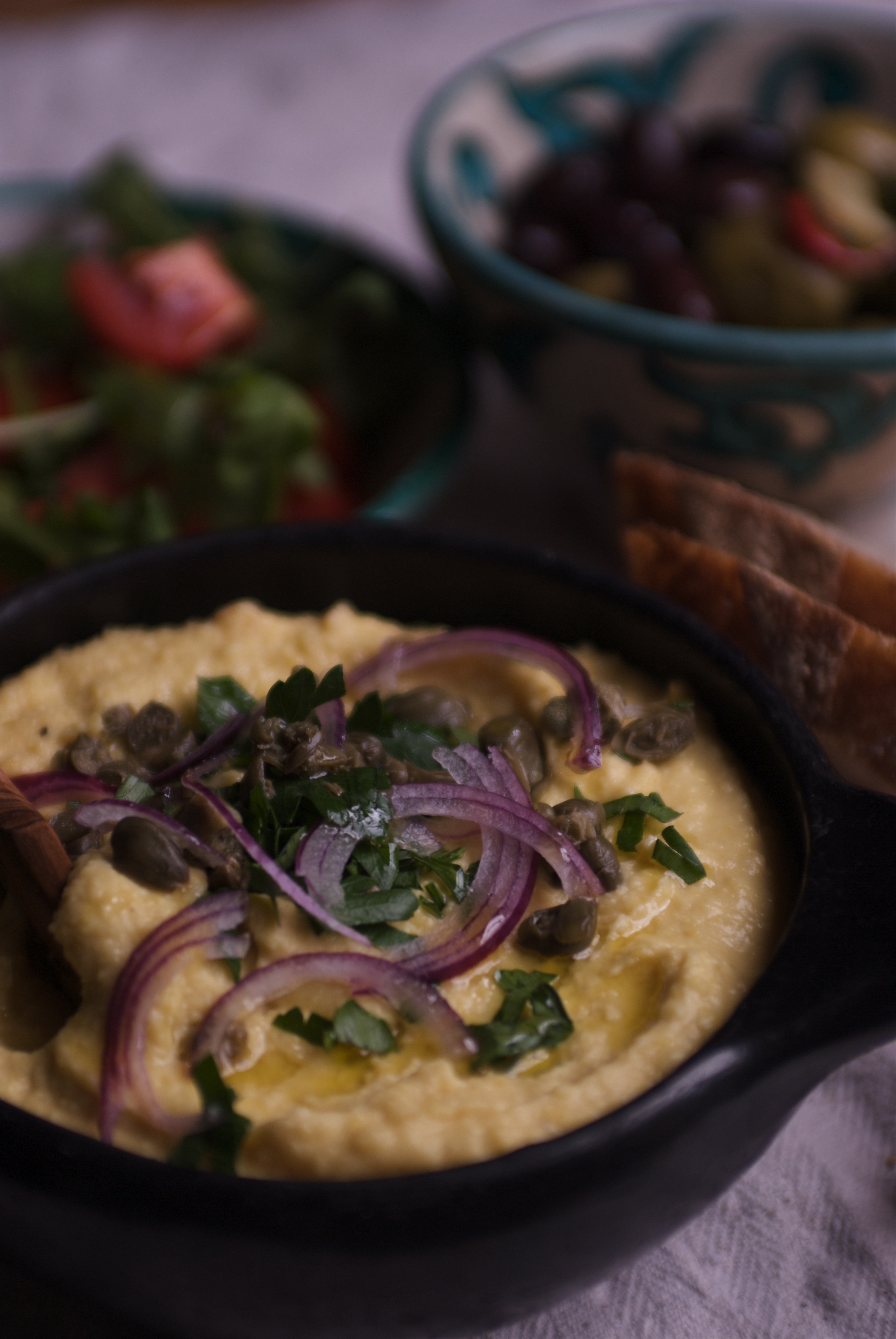
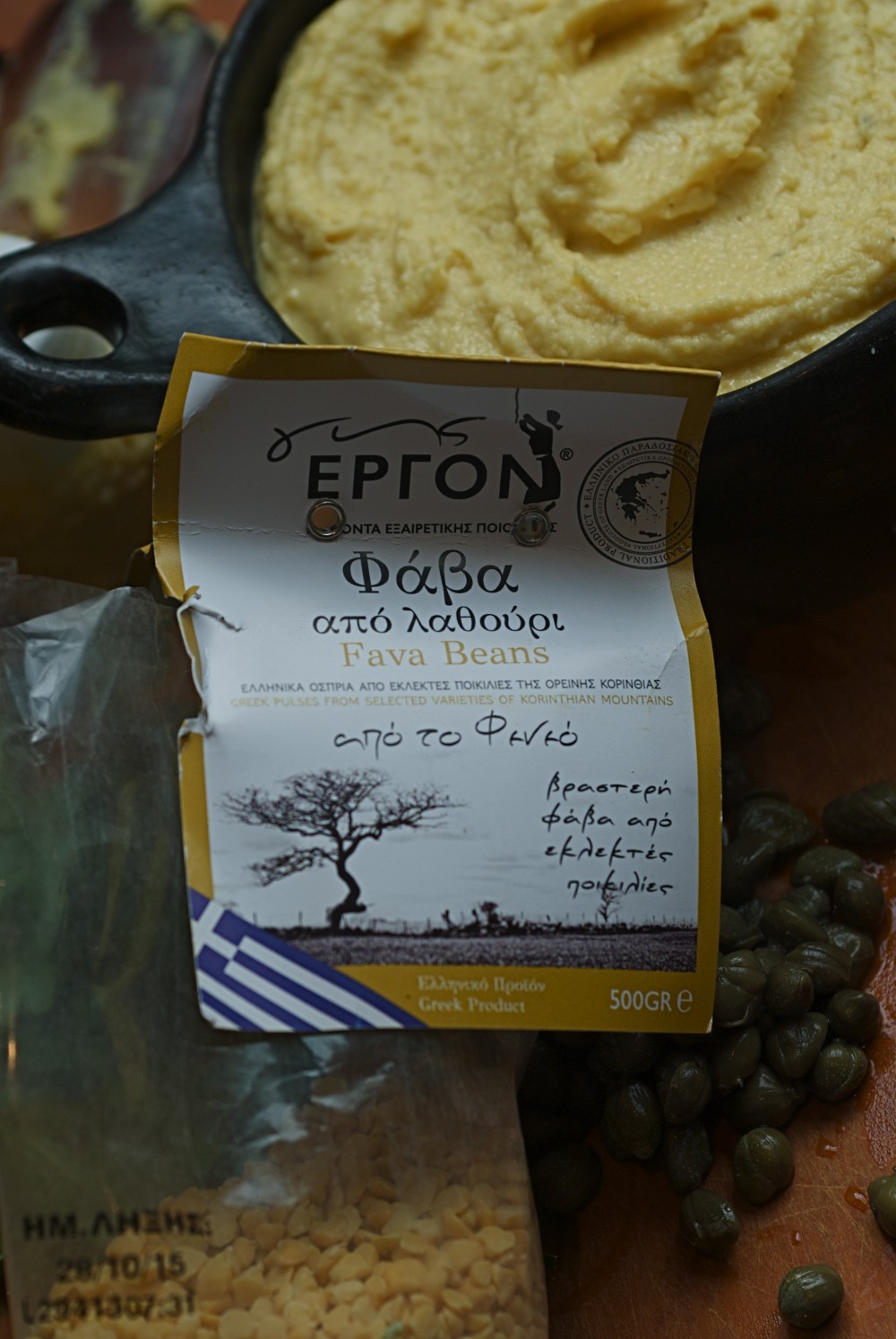
There are so many fabulous hummus-like dips around and yet we seem to be stuck in a rut- don’t get me wrong, I love chickpea puréeé but why not give some of the other legumes a go too. I talked about Moroccan Bessara back in May which I made with fava beans but this month I’d love to share this Greek island fava with you. It is rather confusing as traditional fava is not made with what we know as fava (broad beans) but with split yellow peas instead. I was stirred into action with this one when my mother brought me a packet of the split peas back from her recent holiday in Rhodes. You can use any yellow split pea but if you’re after the real thing you could go to the Ergon restaurant and deli in London or buy their beans on line.

Greek split peas

Greek Fava Purée

200 g/7 oz  yellow split peas, rinsed and drained
2 bay leaves
1 small onion, diced
1 tsp salt
3 cloves of garlic, crushed
5 tbsp extra virgin olive oil
juice of 1 lemon
freshly ground black pepper
2 tbsp capers, rinsed
1 tbsp roughly chopped parsley
A few very finely sliced pieces of red onion.

Place the split peas, bay leaves, the onion and enough cold water to cover everything by a couple of cm in a saucepan. Bring the water up to the boil skimming away any scum or froth.

Now simmer for about 45 minutes, stirring from time to time and, if necessary, adding a little extra water to keep the peas just covered.

Add the salt and continue to simmer until the beans are very tender and almost dry.

Remove the bay leaves and allow the split peas to cool for a few minutes before you puree them with a hand held blender or in a food processor.

Don’t worry, the peas will taste bland and flabby, they will be screaming for seasoning. Add the garlic, extra virgin olive oil, lemon juice, freshly ground black pepper and more salt, if required, until you have a wonderfully balanced puree.

Spoon into a bowl and allow to cool completely, letting the flavours get to know each other.

Serve with a sprinkling of capers, the parsley, red onion and a splash of extra virgin oil.

Try topping the fava with any combination of the following:
Chopped fresh oregano, coriander or parsley
A few chopped Kalamata olives,
Diced tomato and a handful of rocket.
A sprinkling of roasted cumin seeds and sweet Aleppo or Urfi chilli flakes

Greek Fava puree

We’re having the fava with a few olives, a tomato salad and some bread for a really healthy light lunch but do try serving it with some charred squid or cuttlefish.

NEWS –  Spilling the Beans: September 10th at The Folk House Café

I met up with cook and nutritionist Lou Marchionne a couple of weeks ago, only to discover that she’s as excited about pulses as I am. Over the years Lou has cooked at so many of Bristol’s most iconic places such as Rocinantes, Bordeaux Quay and now at The Folk House Café on Park Street. So, after lots of excited chat we’ve decided to have a Pulse night on September the 10th at The Folkhouse ……..I’d love you to come along.

We’re planning an hour-ish cooking demo (using recipes from my book Pulse)  followed by a buffet supper of delicious beany dishes – the menu will include chickpea farinata, a zippy Asian style soup, super healthy sprouted bean, fruit and feta salad, a roasted cauliflower, butter bean and wild rice dish and a smokey pork chilli. The idea is to inspire you with the amazing versatility of legumes, Lou will point out their tremendous health benefits along the way and then you’ll get to eat some very tasty food.

The tickets are an absolute bargain at £8.50 (you will have a great supper – plenty for vegans, vegetarians and the resolute carnivores) The bar will be open, so a great time to catch up with friends. The evening will last from 18.30 to around 22.00.

You can buy tickets HERE. Really hope to see you and your friends.

I’ll be selling my book PULSE on the night and matching the Amazon price of £17 (rrp £25) so do bring along a bit of cash (I don’t take cards) if you are planning to buy a book.

PULSE photographs by Clare Winfield


Moroccan Memories and Bessara Soup

I was gathering together some recipes this morning for my moorish salad demo at the wonderful Borough Market and it got me reminiscing and poring over a few pictures from last year’s trip to Tangiers. Pete took some beautiful photographs (I can only claim to be author of half a dozen) and they do set the scene for the unbelievably simple, nutritious and tasty dip/soup that I’m cooking today.

I love the contrast of these first two sets of photographs. First you have the calm, relative coolness of the courtyards and back streets of the casbah and then the bustle of the souk with all it’s smells and vivid colours.

We stayed in a fab little hotel, high in the casbah , looking out over the Straits of Gibraltar – The Tangerina Hotel . The rooftop terrace was a fabulous place to chill and to eat simple and very delicious food. One evening we had a silky smooth bowl of bessara, made with split fava beans or peas –  it’s a classic all over Morocco, often eaten as a breakfast dish and sometimes served a little thicker as a dip with good bread.

I’m making bessara back at home too, it’s real comfort food, just great when you’re yearning for something healthy and nourishing, and I’ve been over indulging rather too much of late (Bristol has been a never ending food fest’ but that’s the next post). My split fava beans (dried broad beans) come from a fabulous British company called Hodmedods who sell our native beans (we’ve exported vast quantities of our fava beans to Egypt and the Middle East for years ). I love to use favas for falafel too. You can find these English beans in lots of health food shops nowadays.

Bessara  – Split fava or split pea soup. (about 6 bowls)

300 g split fava beans or split peas
3 tbsp olive oil
2 0nions, finely diced
2 carrots, finely diced
2 cloves garlic, crushed
1 tsp cumin seeds, slightly crushed
1/2 tsp salt or to taste
Juice of 1/2 – 1 lemon
A good swirl of extra virgin olive oil
A good pinch of chilli flakes or smoked hot paprika
A few sprigs of fresh coriander, chopped

It’s a good idea, but not vital, to soak the split beans or peas in plenty cold water for a few hours – you’ll cut the cooking time considerably.

Take a large saucepan and fry off the onion and carrot until soft and beginning to brown and sweeten. Now add the garlic and cumin and fry until you’re enveloped in amazing smells.

Drain the beans and add to the pan, cover with 10 cm of water. Simmer for anything between 30 minutes to an hour until the beans or peas have pretty much collapsed.

Take a stick blender and whizz until smooth. Season with salt and lemon juice.

Serve the soup with a good swirl of extra virgin olive oil, a pinch of chilli or paprika and a sprinkling of fresh of coriander.

Jenny Chandler's fava bean soup

The soup should be velvety , about the thickness of double cream so you may need to add some liquid to loosen the texture.
Bessara can also be left thicker as a dip, rather like hummous or even served as a purée to use as a side dish in a mashed potatoey style.

Spring In Snackistan ~ Spinach, Rhubarb and Pomegranate.

Japonica or Japanese quinceWelcome to Spring and Happy Nowrooz.

Today isn’t just the Spring Equinox it’s Persian New Year too. Iranians the world over will be celebrating, whilst back here the  Japonica up the street, on Jen the Potter‘s wall, is looking spectacular – a sign that winter’s been and gone.  I decided to mark the occasion by cooking a recipe from my very latest acquisition, Sally Butcher’s Snackistan, using some of the huge haul of rhubarb I received from a friend with a glut. Hoorah for gluts.

I have to admit that I hadn’t even heard of Nowrooz until last week when I visited Persepolis, Sally’s amazing shop, which she describes as a little bit of “Persia in Peckham”.  I walked through the door to find her amidst a new delivery from Iran, bowls of lush wheat grass and a washing tub of goldfish. The shop was hotting up for New Year (music and all ), which just happens to be Jamshid, Sally’s Iranian husband’s birthday too. Both the wheatgrass and the fish are meant to represent the new life and prosperity that everyone hopes for in the months ahead.

I sipped fragrant cardamom tea from the samovar, and managed to devour an entire plate of traditional pastries too, before setting off around the shop. The place is packed with all those fabulous Middle Eastern treats such as sumac, dried barberries and plums,  lurid-green nibbed pistachios, Turkish delight and pomegranates. The shopping experience is further enhanced by Mrs Shopkeeper’s labels around the shelves, along with her advice and incredible insight into the  life and food of Persia.

My Peckham pilgrimage was a wonderful one (just a 20 minute bus ride from Victoria on the 436 or 36) and I left with a great stash of goodies to cook with. Better still, when I dive into my copy of Snackistan (or the equally inspiring Veggiestan) I can now picture Sally writing in her chaotic office at the back of the shop and celebrate the idea that at least one person in this world ( and a fabulously creative one at that) has a messier desk than I do.

Spinach with Rhubarb, Chickpeas and Pomegranate
Esfanj va Rivas

“Snack lunch for 1 hungry shopkeeper” – it fed 2 of us at suppertime with some rice.

This recipe is taken from Snackistan- Sally gives you plenty of extra info’ in her inimitable, witty style but you’ll need to buy the book for that (you won’t regret it). Her inspiration for this was a dish that contains chicken too, so do feel free to experiment. I’d love this alongside lamb or in a very non-PC (when it comes to Persian New Year) way with some juicy belly pork.DSC_9501_2

2-3 spring onions
Sunflower oil for frying
1/2 tsp ground turmeric
1 garlic clove, chopped
A big handful of both mint and parsley, chopped
1 glass of water
1/2 of a 400g can of chickpeas, drained
2-3 sticks of rhubarb
1 tsp sugar
1/2 a bunch (I used 2 large handfuls) spinach, washed and roughly shredded
Juice 1/2 a lemon
1 tbsp Pomegranate molasses
Salt, black pepper (and sugar too, if necessary)
Fresh pomegranate to garnish

Fry the onions in a splash of oil and then, once soft, you can add the turmeric and garlic, followed by the herbs. After 5 minutes, stirring well, add the water and bring up to the boil.
Throw in the chickpeas, rhubarb and sugar and simmer for 5 minutes.
Add the spinach, lemon juice and pomegranate molasses and cook until the spinach has just wilted.
Season well and sprinkle with pomegranate seeds.

I do have a bit of a rhubarb fixation as you may well have noticed on my blog. If you are up for some more rhubarb trivia you could go to my post on the Borough Market Blog or consult either/both of these fabulous little books  The Great Book of Rhubarb by Elaine Lemm or Rhubarbaria by Mary Prior.

A British Celebration – Cloisters and Black Badgers

The sky feels heavy, the daylight lamp’s on and I’ve got a hot water bottle on my lap to keep warm at my desk. I’ve already drunk my daily coffee quota ( I’m trying to switch to green tea but  it’s just not happening) and I’m meant to be sorting my accounts. These are the days that I suddenly find a mound of washing to do, decide to clip the guinea pig’s nails or, once I’m finally at the computer, do a bit of “surfing”. Some masochistic streak always seems to pull me towards a blog called Manger. Envy isn’t a pretty thing to admit to, but hell, it’s unavoidable. The writer, the super-modelesque Mimi Thorenssen (oh yes, she has an unbelievably exotic name too), gazes out of the glorious pictures taken by her uber-talented photographer husband. There are teams of dreamy children, hounds to die for (I so want a dog) and the most incredible images of the rural Médoc. Even the recipes are inspiring, fabulous, and really work too. Take a peek. You’ll no doubt feel an urgent need to trade in your Tupperware for Terracotta and your M&S for Missoni, but there’s no denying it, Manger is a work of art.

But now’s the moment to get a grip. The huge basket of Seville oranges are waiting to fill the house with their fabulous wintery scent when I put on the marmalade later today. The hellebore buds in the garden are just days off bursting into flower. I’m beginning to reminisce about our fabulous visit to Lacock  in the sunshine last week and all of a sudden there seems plenty to get excited about. Right now I’m determined to celebrate all things British and where better to start than The National Trust and a bowlful of Black Badger Peas?

I’m ashamed to admit that a National Trust Membership did seem a rather middle-aged birthday present (I’m in denial), from my sister last year  but I’m loving it. The West Country is just packed with magical buildings and parks to visit, so last weekend with a clear blue sky calling we leapt into the car, proudly bearing our badge, and whistled off to Lacock Abbey (I’ve not got as far as packing the thermos and sandwiches yet, but just give me time). There’s no need for the tour guide bit now, you can find all that on the Lacock link. I’ll just say that it’s right up there with spots that I’ve traversed oceans and trekked up mountains to experience. The tythe barn, the abbey cloisters, early snowdrops and ploughman’s lunch in the pub. It’s a great reminder to celebrate what you’ve got in your own back yard.

And now to some other rather unlikely British stars – Black Badger Peas; you’ve probably never heard of them, I hadn’t until a few months ago. The fascinating thing is that we’ve been growing them in this country, along with fava beans, for hundreds of years. I came across the Black Badgers via Hodmedods, growers and purveyors of Great British peas and beans, whilst I was researching my book. Hodmedods, who are based in Norfolk, are doing a fabulous job of re-igniting our national appetite for beans. It’s easy to forget how big a role legumes have played in our national diet (think “pease pudding cold, pease pudding hot…….”). It seems bonkers that most of us are unaware that we’ve been exporting tons,  around 500, 000 tons a year I’m told, of beans to The Middle East for decades. At last we can eat British Baked Beans (yes, they even sell them by the can) along with local favas,  marrowfat peas and the evocatively named Black Badger pea. Black Badgers are also known as Carlin or Maple peas in the North of England or somewhat less glamourously as Grey Peas in the Black Country  (try the accent and they sound even more appetising!)

Hodmedod's British Black Badger Peas

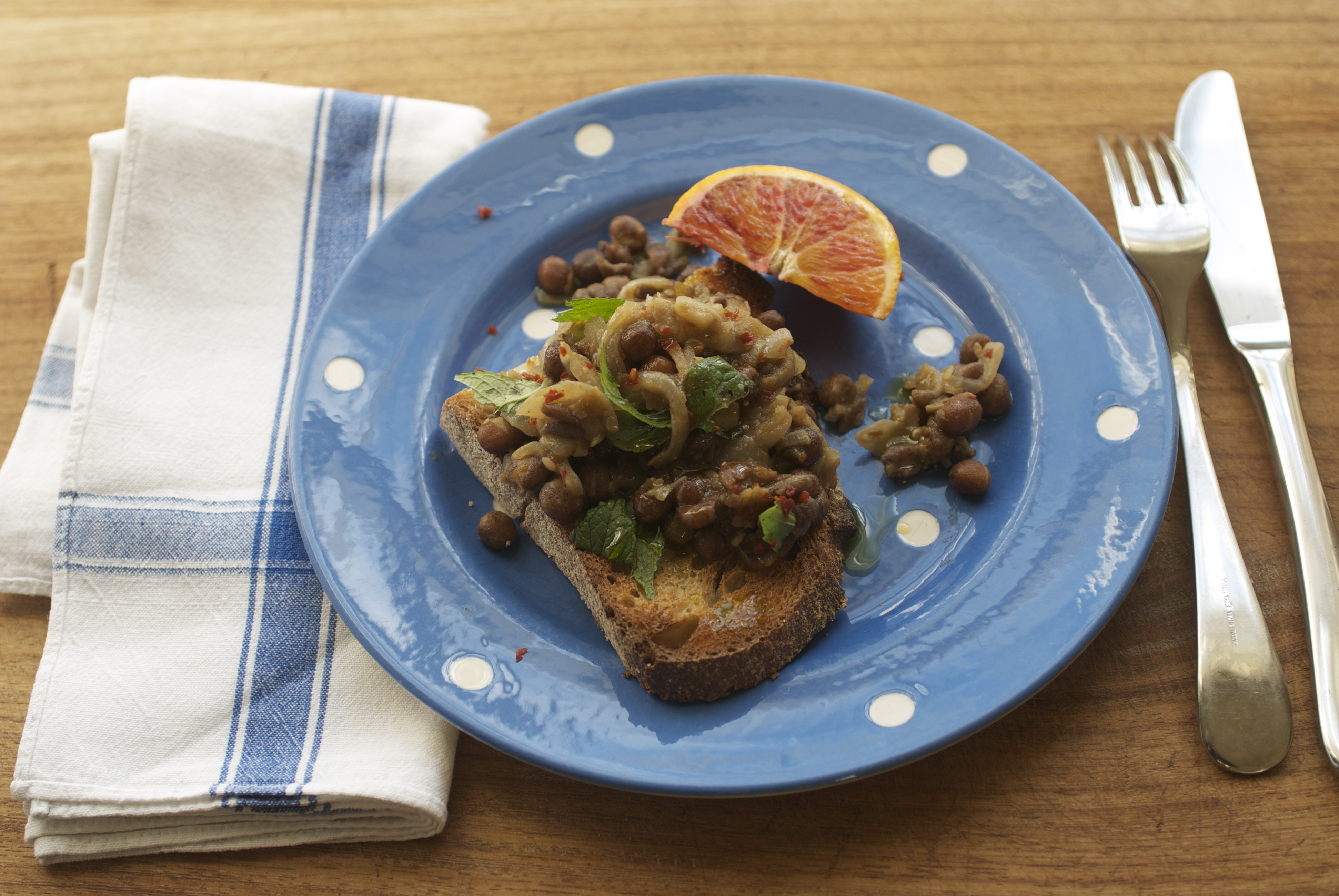
I cooked up the Badgers on a particularly dismal day last week. I’d soaked them overnight and then cooked them for about 4o minutes (remarkably quick compared to most dried peas in my experience). After a bit of an Old Mother Hubbard moment  I reverted to my default way with legumes. It’s great to have a recipe up your sleeve that doesn’t usually require a trip to the shops. So here you have a simple adaptation of the Syrian lentils from my book Pulse.

Syrian-style Black Badgers

2-3 brown onions, sliced finely
4 tbsp olive oil
400 g cooked black badger peas ( cooked fava beans, cooked brown lentils would also work well)
1-2 tsp cumin seeds, toasted and then ground
6 cloves of garlic, finely chopped
1 pinch of chilli flakes or better still 2 tsp of sweet Aleppo pepper flakes
1 small bunch fresh coriander, parsley or a few mint leaves, roughly chopped
juice of 1/2 – 1 lemon

Begin by frying the onion in the olive oil in a large saucepan, you could use a frying pan and then transfer them but I prefer to keep this as a one pot dish. Keep the temperature fairly low and allow the onions to soften, sweeten and turn gold, this may take about 20 minutes. Be patient.

Set aside half of the onions from the pan, turn up the heat and throw in the garlic, cumin and chilli. Stir and, as soon as you can really smell the garlic, add the peas and a couple of ladles of their cooking water.

Simmer for about 10 minutes, enough for the flavours to marry, stirring from time to time.
Have a taste and season with salt, pepper and enough lemon juice to really zip everything up. Add the rest of the onions and plenty of herbs.  I used mint as we had some rather moth-eaten leaves left in the garden (come on spring I need some fresh herbs) but coriander or parsley are fab’ too.

We ate our Badgers with sourdough and a squeeze of blood orange juice but they would be equally good with toasted pitta or lavash and a dollop of creamy Greek yoghurt.


DSC_9320

Peter has eaten ALOT of pulses over the years, as I experimented and tested my way through recipes, and he pronounced the Black Badger “one of his top three”(other winners to be revealed in later posts). I do agree that the entire dish was comforting and suprisingly nutty, without feeling too worthy or wholesome. Just give the Grey Pea a chance, it might not look much but it’s deeply satisfying.

Roasted Quince with Bath Blue Cheese & Lentil Salad

Last year I spotted a quince tree, laden with fruit in a Bristol garden as I parked up my car. Quinces are mysterious things; they’re too hard and too sour to consider eating raw. You can’t even whip up a tart or a crumble as you might with an apple because the flesh takes so much longer to soften and mellow. So, many a forgotten quince languishes, unloved on a tree in this country until it rots and drops. I posted a note through the door of the house where I’d eyed them up, offering some cash and even a good slice of membrillo, but never heard a thing.  This year I got a message from some wonderful friends Mike and Viv in Bishopston who offered me a few of theirs. I jumped at the chance, grabbed my basket, slipped on my quince-yellow top (who can miss a photo opportunity?) and set off.

Mike was ridiculously generous and I finished up with at least a dozen quinces. They’ve been sitting in a bowl filling the kitchen with their unforgettable perfume and looking so beautiful that I could barely bring myself to cook them. You can see why they are reputed to be the original golden love apple of Aphrodite.
I’m going to make some membrillo (the solid quince paste that the Spanish love to eat with cheese – particularly Manchego) later in the week, but yesterday I baked a few of the fruit until deep coppery red and as  tender as a canned pear.Quinces perfuming the kitchen

Baked Quinces

100 g butter
4 heaped tbsp of soft brown sugar
4 medium quinces
1 stick of cinnamon.

Now these really couldn’t be simpler. Pre-heat the oven to a medium temperature around about 170º C. Place a heatproof dish in the oven with the butter and sugar just to melt and dissolve a little.
Meanwhile peel and quarter the quinces (unless they are very tiny and you might like to leave them in halves) I used my trusty melon-baller to remove the cores but you could just use a knife.

Take the dish from the oven and roll the fruit around in the sugary butter. Add a stick of cinnamon  and then cover tightly with foil. Put back in the oven for 2-3 hours until the fruit is really tender and a deep brick-red. It’s wise to take a peek at hourly intervals just to check that there’s a bit of moisture in the dish, your packaging may not be as steam-tight as you think. Just add a slosh of water (or wine/Masala) if it’s looking rather sticky and dry – you musn’t let those precious juices burn.

Eat warm or cold.

Baked quince with cinn

And what to do with those baked quinces:

I would always recommend baking a few quinces at a time and then using them in all sorts of different ways. Play around with the flavours adding any, but not all, of the following : vanilla, star anise, wine, port, Creme de cassis, honey or maple syrup.

*Serve warm with clotted cream, Greek honey with yoghurt, vanilla ice cream or rice pudding.
*Add some cooked quince to an apple pie or crumble – about 1/5 quince to 4/5 apple (it’s quite a strong flavour)
*Stir into a simple lamb tagine instead of apricots – I’ll type up my favourite recipe sometime but here’s one to keep you going from Jill Dupleix. Just add roasted rather than poached quinces.
* Serve with a blue cheese and lentil salad as I did at The Great Bath Feast.

Baked Quince, Bath Blue and Lentil Salad (serves 4)

1 x simple lentil salad (below)
1 baked quince ( as above), diced into 1 cm squares
200 g Bath Blue cheese, or any creamy cow’s milk blue
1 handful of walnut halves
2 sticks of celery, finely sliced
100 g watercress

Carefully stir about 2/3rd of your quince, blue cheese, walnuts, celery and watercress into the lentils. Be gentle you don’t want the cheese to collapse and make the entire salad look milky.

Spoon onto individual plates or onto a large serving platter and sprinkle over the remaining ingredients.

The Basic Lentil Salad (from my new book PULSE)

250 g/9 oz Puy, Castellucio lentils, or other tiny green lentils – rinsed
1 bay leaf
1 small red onion
2 tbsp red wine vinegar
4 tbsp extra virgin olive oil
1 clove of garlic, crushed
salt and black pepper
4 tbsp flat leaf parsley, chopped
Place the lentils in a pan with the bay leaf and cover with cold water by about 5 cm/ 2 inches . Bring them up to the boil and then simmer for about 20-30 minutes until tender but still intact.

Pour the vinegar over the red  onion and leave to soak. The onion will turn fuschia pink and become softer in both texture and flavour.

Drain the lentils, reserving their cooking liquid, and whilst still warm add the vinegar, olive oil and season well with salt and black pepper. Once cool stir in the chopped parsley and add a little cooking water if the salad seems dry.

And -you can of course use this basic lentil salad as the base of dozens of variations eg beetroot and feta, chicken and avocado, Piquillo pepper and Montenebro goat’s cheese. The best place to look for these ideas is without a doubt (you guessed it) my new book!

If you came to my demo on Sunday in the great Bath Feast Pavilion then you may be wondering about the chickpeas too. You can go to the fabulous Borough Market blog (I teach there too) and just add a bit of Orchard Pig cider to this recipe.

Coco – the crème de la crème of beans

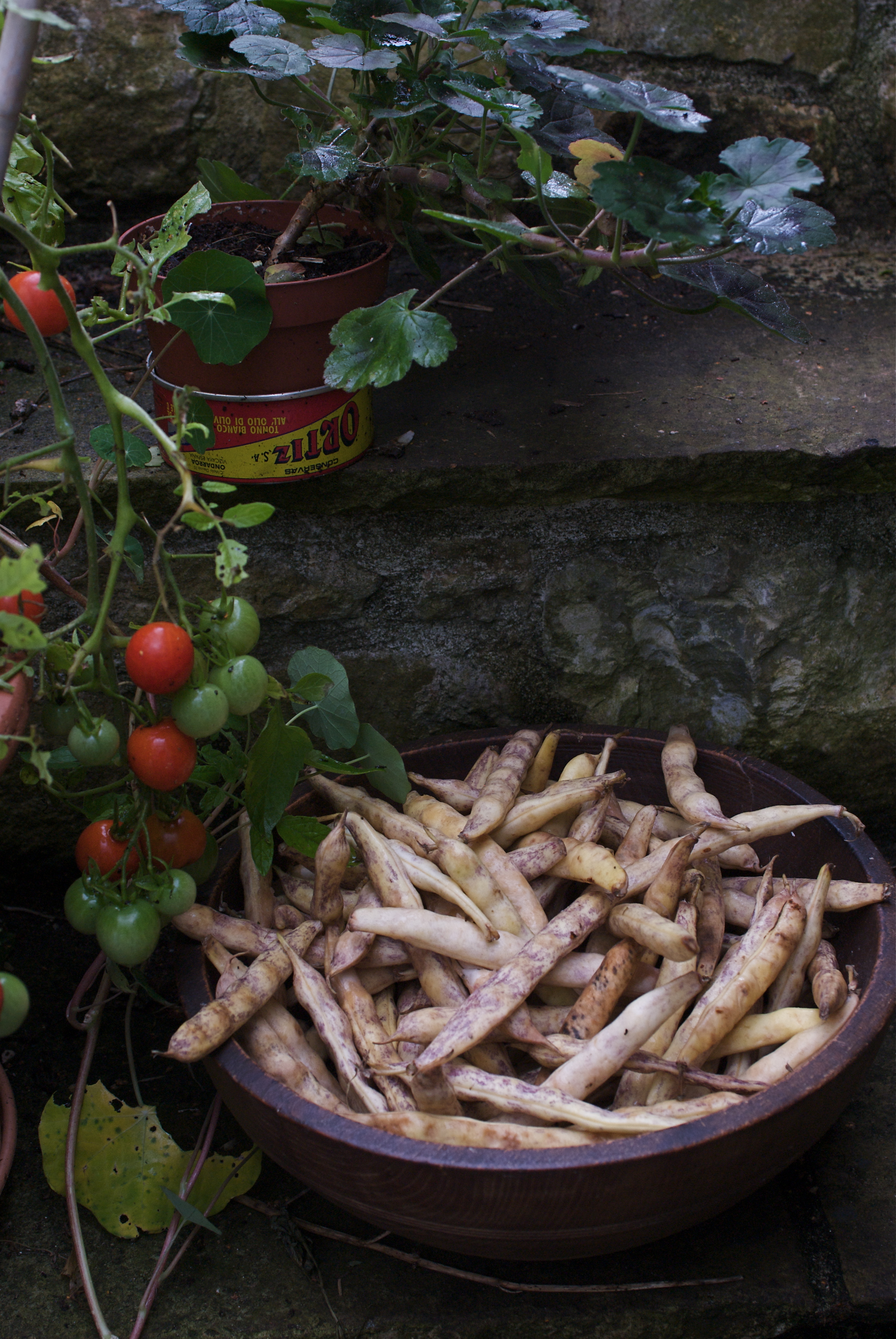
Last week the wonderful Charlie Hicks dropped off a calico bag of the most amazingly creamy beans that I’ve ever tasted. Now, I’ve been a fan of semi-dried, or what the Americans call “shelling beans” for years. These beans are left on the plant until fully matured and beginning to dry. Their season is from late summer into early autumn so we’re really at the close- snap ’em up if you can or you’ll have to wait until next year.

When I was in my twenties I cooked on a very glam’ Italian yacht and the guests used to go bonkers with excitement at the beginning of the borlotti harvest and soon I loved them too. Last summer we spent a couple of weeks in Calabria and despite the fact that there were dozens of wonderful little restaurants and beachside lidos serving up zippy, chilli-fueled dishes I just couldn’t resist cooking some of the stunning pink-speckled borlotti from the market. Shopping was the first job of the day before the searing August heat set in and bean-podding made a change from the children’s other holiday job of making fresh lemonade. Podding was safer too; we only discovered that the lemon tree (that we’d encouraged the kids to climb) hung precariously over an 80 ft drop, on the last day of the holiday. What a way to go, plucking a lemon for your Dad’s G&T.

My way with borlotti is an Italian classic. You fry up some diced pancetta (unsmoked bacon will do), onion, celery and carrot and once your “soffritto” is meltingly soft then throw in the beans. Give them a stir and cover with water, or stock, and add a few herbs (such as rosemary or thyme) to the pot. Simmer until the beans are tender and then season, toss in some fresh tomatoes and some tiny pasta shapes. Cook until the pasta is ready. Heaven. (You can find a more detailed recipe in my book PULSE)

But now to the white beans. In Calabria I found fagioli a burro (Italian butter beans – not related at all to what we know as butter beans) and they were indeed pretty buttery in texture. It was about 40°c and so I made a really simple salad- in fact it was so hot when we decided to prepare my beans that Imi and I had to sit in the paddling pool to keep cool whilst we podded. I’ve cooked cannellini from the pod too, as well as delicious Spanish pochas, but until last week I was a coco virgin.

Coco beans

I have to admit that the Breton coco bean, or Coco de Paimpol to be precise (it has it’s own appelation d’origine contrôlée), is not much to look at in its pod – no flashy pink, just a rather mottled violety-beige, but it pops from the pod, glistening white and shiny. If the borlotti deserves Italian fashion status with it’s Missoni-esque markings then the aptly named Coco surely should be hailed as the pure chic, French Chanel.

The texture of the cooked coco is exceptional, Charlie tells me that they have been referred to as beany ganache, well it’s no surprise. These are the most melt-in -the mouthy legumes that I’ve ever experienced and that’s coming from someone who has spent a couple of years researching a book on pulses.

So what to do with them? …I kept it very simple.

Cover the beans in water, throw in a couple sage leaves and chop up a few fresh tomatoes (I picked the last few of our homegrown) Simmer the beans until tender and then season with salt.

We ate some of our beans hot with plenty of extra virgin olive oil alongside our monthly treat of rump steak (from our meat box). The remainder were shared with Sasha the fruit fairy up the road, and eaten as salad with some finely diced shallot, parsley, extra virgin olive oil and red wine vinegar.

I’m waiting for the 2014 Paimpol coco season already. You may have to badger your green grocer to track some down but do, the coco is honestly the crème de la crème of beans.

Pulse – a sneaky preview

I promised you a few images from the book, so here they are. I hope they’ll give you the gist of what this latest tome is all about. I want to share my love for legumes, I really do think that they’re one of the most satisfying and delicious ingredients in the kitchen. It’s not about persuading you to eat them because they are incredibly healthy, economical, sustainable, easy to cook and infinitely versatile (obviously quite a few bonus points too) it’s all about how very, very tasty they are. Pulses have at last emerged from their tie-dye teepee, so ditch all those hippy preconceptions and dive in.

I can think of nothing better than tucking into a slow-roasted shoulder of lamb with flageolet beans or some roasted autumnal roots with chickpeas and pomegranate molasses. Yes, it’s all about comfort today; it’s peed with rain all afternoon, I’ve had my SAD lamp on next to the desk it’s been so dark and desperate.

Tarka Dal - Pulse

Dahl is one of my favourite simple supper dishes. You can serve it alongside a curry but I’m just as happy to eat it alone with a bowl of rice or an Indian flat bread. Stir a spicy Tarka and a few spinach leaves into the dahl at the last minute and it’s fabulous. I’m not a veggie but I could happily eat this at least once a week.

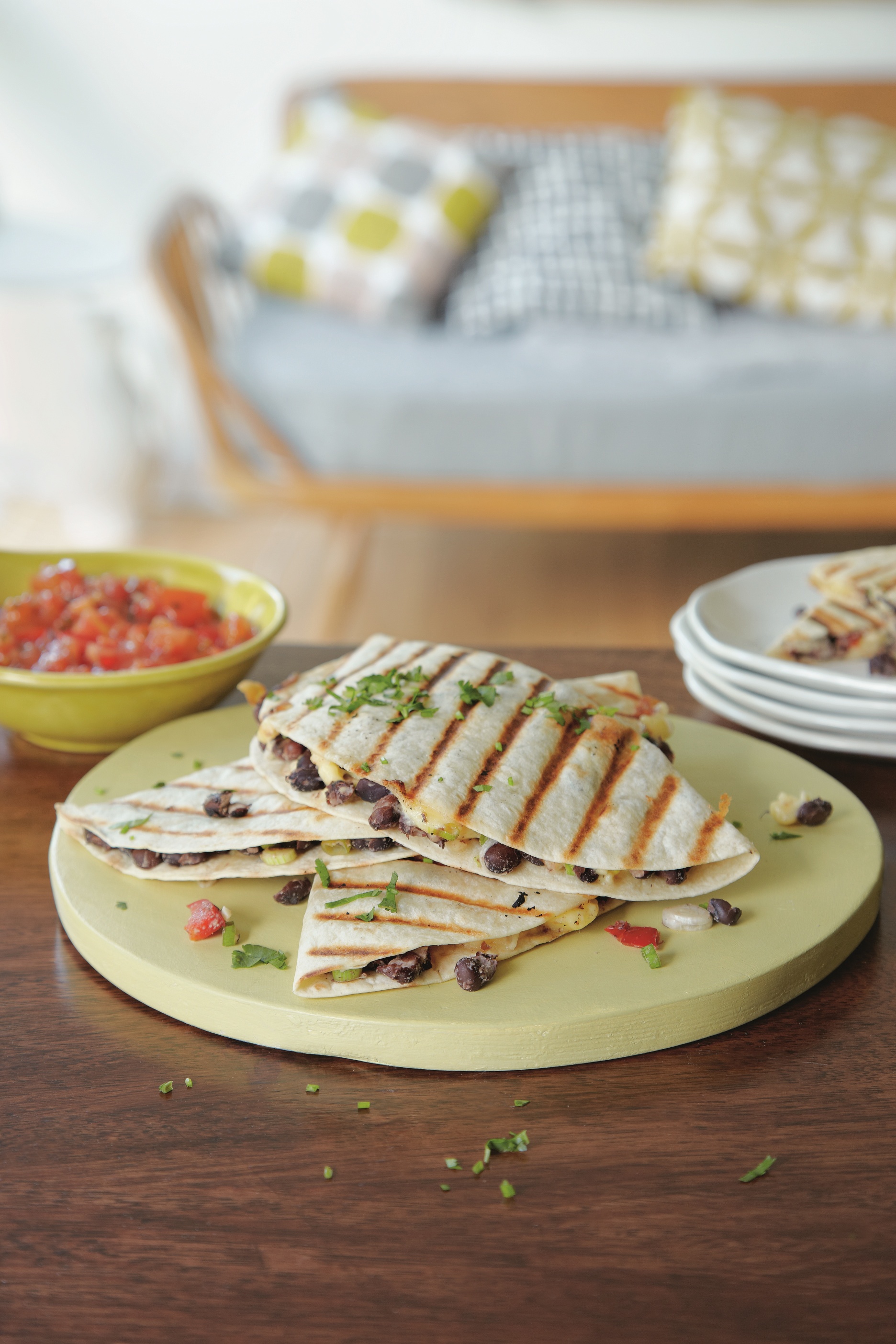
Black Bean QuesadillaBlack bean quesadillas are really quick to make especially if you use tinned black beans but I must encourage you to boil up a big pot of beans and then use them for a selection of recipes, vary the dishes enough and no one will ever notice that they’ve eaten the same bean three times in one week ( you can freeze any left over beans too). So take black beans for example: you could have Mexican quesadillas on monday, followed by black bean, squash and sweetcorn soup on wednesday and indulge yourself by making black bean brownies for the weekend.

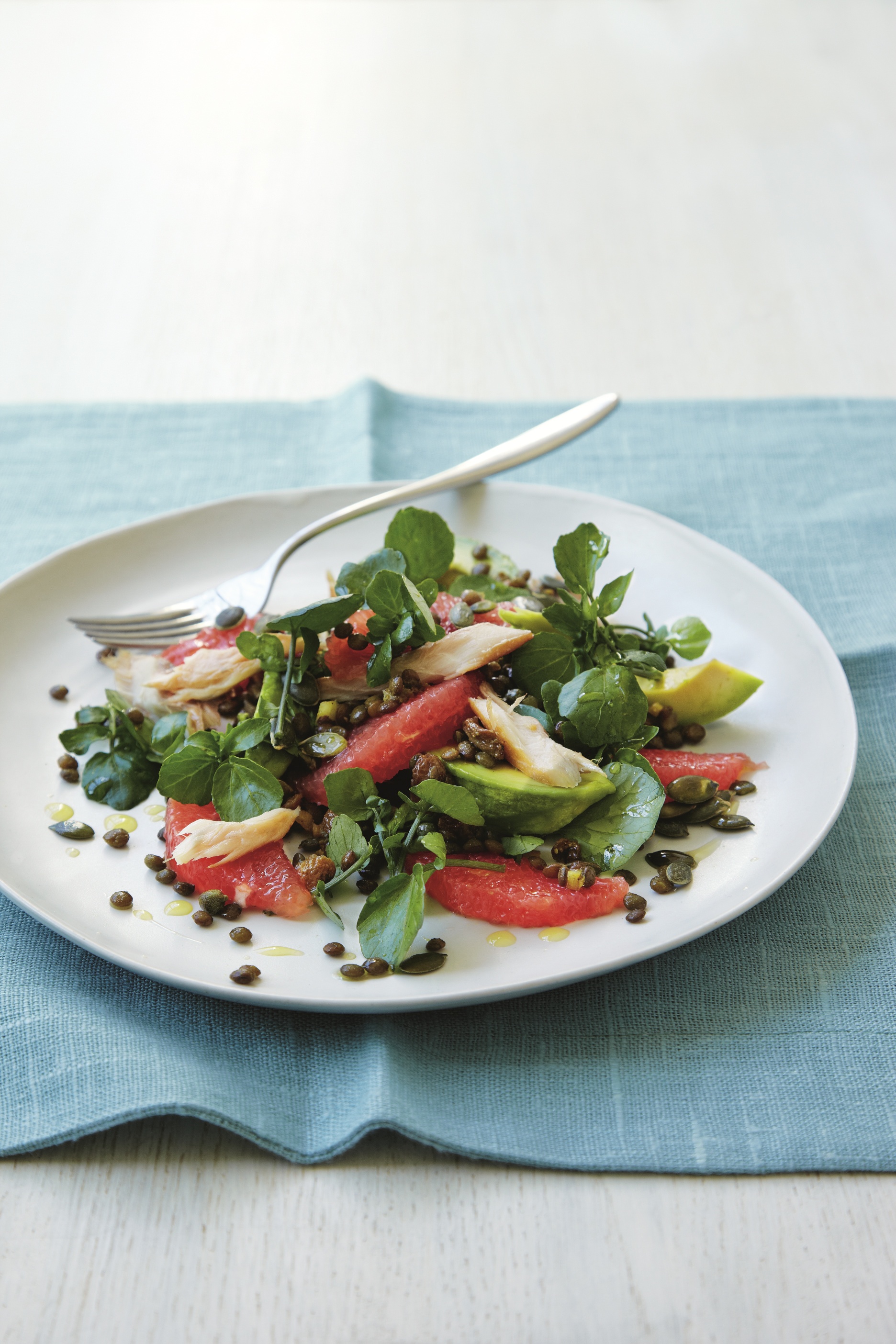
Smoked mackerel., grapefruit and lentil salad

I prepare lentil salads year-round, you can top them with whatever’s in season. This smoked mackerel, grapefruit and lentil salad is a wonderful, zippy winter salad. It’s great when your feeling a bit sloth-like and sluggish because it’s packed with vital vitamins and omega 3. There are plenty of other legumey salads as well. They’re particularly good for lunch boxes; where a leafy salad wilts a pulse just soaks up the juices and develops in flavour.

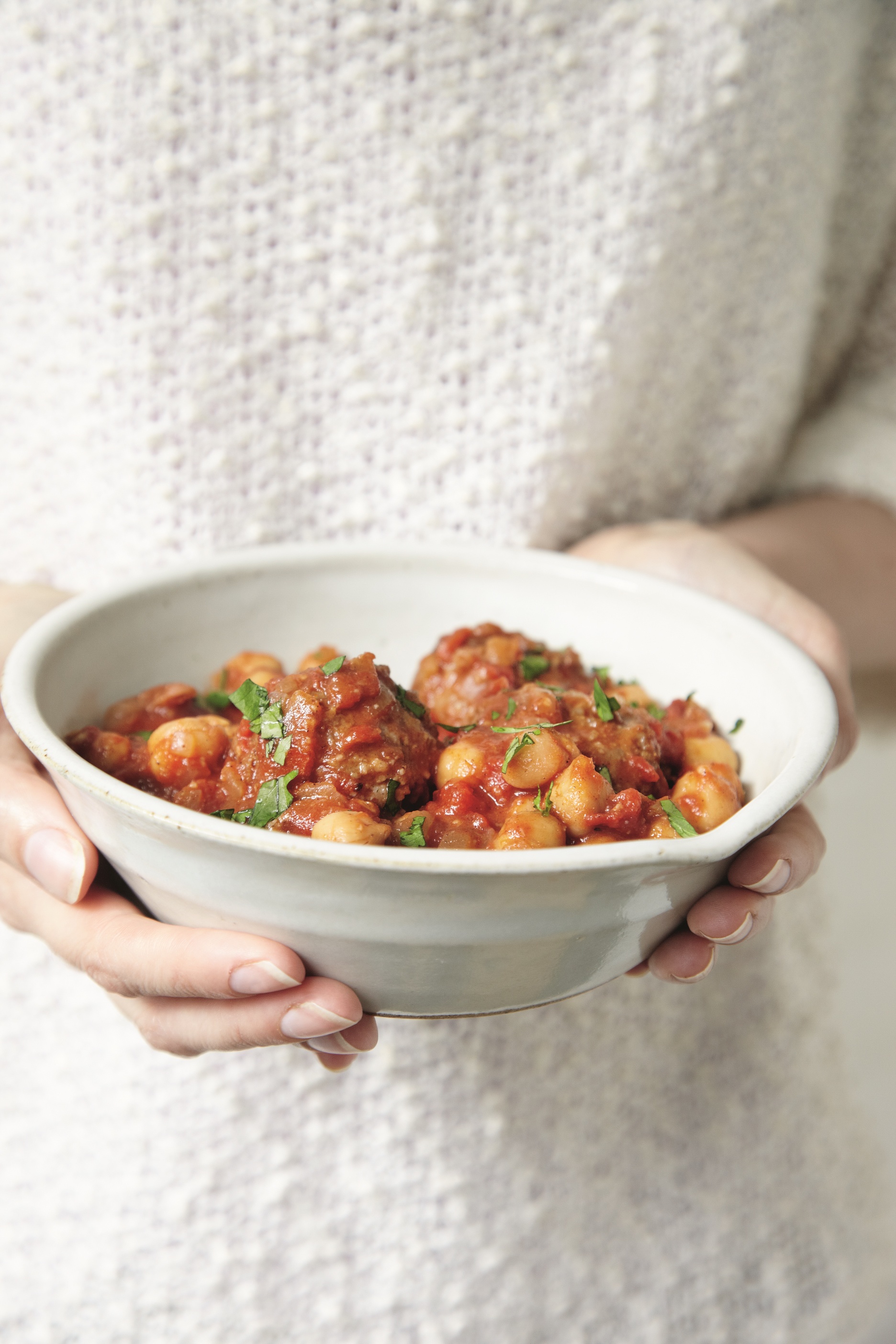
Moroccan chickpeas with meatballs

These Moroccan chickpeas with meat balls are a family hit and a great reminder to all those doubting carnivores that legume dishes don’t necessarily have to be vegetarian. Cassoulet, Chilli con carne and Boston baked beans are all classics but there are plenty of other dishes such as Pot roast pheasant with prunes and lentils to get your teeth into too.

Now I do promise that you’ll have a recipe in my next post, I have a tray of figs lurking downstairs and a wonderful recipe to prepare. Meanwhile I hope you’ll enjoy Clare Winfield’s amazing photography and excuse me for banging on about my book yet again.

Spilling the beans – Pulse is out!

It’s here, it’s arrived and now you can hear me telling you all about PULSE.
I’m feverishly baking black bean brownies this morning ready for tomorrow’s launch, I’ll let you know all about it later in the week.

I have loads of extra legume recipes that just didn’t fit in the book, so be prepared for some pulsating weeks ahead (and I promise to stop the puns right there – oops just noticed that I’ve called the video “spilling the beans”)

If you’d like a copy it would be great to support your local shops. Three independents that I simply love, where I know you will find Pulse, are Books for Cooks in London, Topping and Company in Bath and Papadeli in Bristol. And, of course, you can find Pulse on Amazon too.

One-pot Chorizo Supper and The Meat Course

I’ve always been a serious chorizo fan. The cured Spanish sausage, seasoned with paprika and garlic, can transform a pot of beans or lentils like nothing else. I have to say that I’m more excited about today’s chorizo than ever because I actually made it myself (but more of that later). Pete’s relieved that the sausages are finally in the fridge after virtually garotting himself on the makeshift curing line. Imi and I rather enjoyed having to limbo our way out of the front door.Chorizo at Plum Cooking

I’ve now got enough sausage for a number of dishes, since a little chorizo does go a very long way. I prefer using the soft cooking chorizo although after 6 days of curing my sausages are on the firmer side. I’m not too distraught as I’m sure that there must be some region of Spain where my chorizo would be considered true perfection. There is no single, truly authentic chorizo: some that come in strings can be as soft as a British butcher’s sausage, others come as firm, semi-cured horseshoes whilst you can also buy fully-cured versions to eat like salami. There are probably as many types of chorizo as there are cathedrals in Spain. So, my only words of wisdom: reserve the fully-cured for charcuterie platters or sarnies, chop the firm semi- cured versions into tiny dice for cooking (or it’s like eating leather) and keep the soft cooking chorizo in juicy hunks.

So here’s a basic recipe that appeared in my first book The Food of Northern Spain (I included another version using beans instead of chickpeas in my second, The Real Taste of Spain ). It’s best made a day ahead so that the flavours develop and the chickpeas (or whatever pulse you’re using) drink up the juices. You can obviously play around, it’s a what-you’ve-got-in-store type of a dish.

One-pot Chorizo Supper
Serves 4

2 tbsp olive oil
2 onions, diced
2 cloves garlic, diced
250 g/ 9 oz chorizo, hot or sweet, sliced
500 g/ just over 1lb of freshly cooked or 2 x 400 g/14 oz cans of chickpeas
1 x 400 g/ 14 oz can of chopped plum tomatoes
2 tbsp sultanas
juice of ½ lemon
salt and pepper to taste
1 tbsp toasted pine kernels
1 tbsp fresh parsley, roughly chopped
drizzle of extra virgin olive oil

Fry the onions in a large pan until they soften and then add the garlic and the chorizo. Once the pan is swirling with the smoky, red chorizo fat then tip in the chickpeas, stirring to cover them in the delicious oil.

Add the tomatoes and the sultanas and cook until everything is heated through.

Taste, I usually find that the chickpeas need a little lemon juice to liven them up and a bit of salt and pepper. Now sprinkle with pine kernels, parsley and a dash of extra virgin olive oil.

How about?
Using beans such as butter beans, cannellini, borlotti or black beans instead of the chickpeas.
Adding diced vegetables such as carrot, celery or red pepper to fry up with the onion.
Try stirring in some fresh spinach, right at the end, just until it wilts.

& for an instant Tapas nibble
Just try placing some chunks of sliced chorizo in a clay cazuela or oven-proof dish. Cover with red wine or dry cider and place in a hot oven for about 15 – 20 minutes until the fat just begins to glisten on the surface. Serve with great bread for dunking.

And now to the source of my fabulous chorizo: The Meat Course at Trealy Farm

Last weekend I went on a course run by Ruth Tudor and James Swift at their  Monmouthshire farm. I felt, like most of us, that I’d lost connection with where our meat comes from (horsemeat?!) and although I’m already very choosy when I’m shopping I just wanted to understand a bit more about the reality of rearing animals for meat, the slaughter, butchery and then some charcuterie too.

I hope that the pictures can begin to convey the bucolic setting (oh what a classroom, looking out over the Welsh countryside). My only regret is that I didn’t take any pictures of the amazing food that Nicky cooked all weekend, I was just too busy eating!

The animals were beautiful: I’m in love with Gwenlas the cow, failed to take any pictures of the pigs as I was having such a great time scratching their backs and discovered that sheep, depending on their breed, can be very different, and sometimes very endearing characters. Ruth chatted to us about the running of the farm, the constant decisions, obstacles, compromises and whilst I’m not about to run a small holding, I do feel that I’ve got more of a grasp of the differences between and the consequences of organic, natural and more industrialised farming.

I was definitely feeling pretty emotional and reluctant about the slaughtering of the sheep, but it was actually fascinating, and seeing the humane way in which an animal can be killed has made me even more determined to eat meat from animals that have been properly cared for.

Trealy Farm Charcuterie has been lauded by countless chefs and food writers as the best in the land so Sunday with James was an absolute treat. We kicked off with an English breakfast, some very, very good black pudding playing the starring role. We learned to butcher a sheep and a pig, talked about cuts and cooking methods and then finally, after a superlative charcuterie fest’ of a lunch, made our own bacon and chorizo. What a weekend; I might even pop back over the Severn Bridge and buy half a pig I feel so inspired.